
Leadless Pacemaker Implantation in Chennai
Discover advanced pacemaker implantation in Chennai with expert leadless pacemaker treatment in Chennai. Enjoy a safer, minimally invasive procedure. schedule your leadless pacemaker consultation now
Leadless Pacemaker Implantation in Chennai: Advanced, Minimally Invasive Heart Rhythm Solution
Smaller Device. Greater Freedom.
The human heart functions through a specialized electrical conduction system that generates and regulates heartbeats, ensuring proper blood circulation throughout the body. When this electrical system becomes abnormal or fails to generate adequate impulses, the heart may beat too slowly or irregularly.
In some cases, the electrical signals generated in the upper chambers of the heart (atria) may not properly reach the lower chambers (ventricles). This condition is known as heart block, which can lead to symptoms such as dizziness, fatigue, fainting, or shortness of breath.
For patients experiencing slow or irregular heart rhythms, permanent pacemaker implantation is an effective and life-saving treatment. A pacemaker is a small electronic device placed under the skin of the chest that helps regulate the heart’s rhythm by sending electrical impulses to maintain a normal heartbeat.
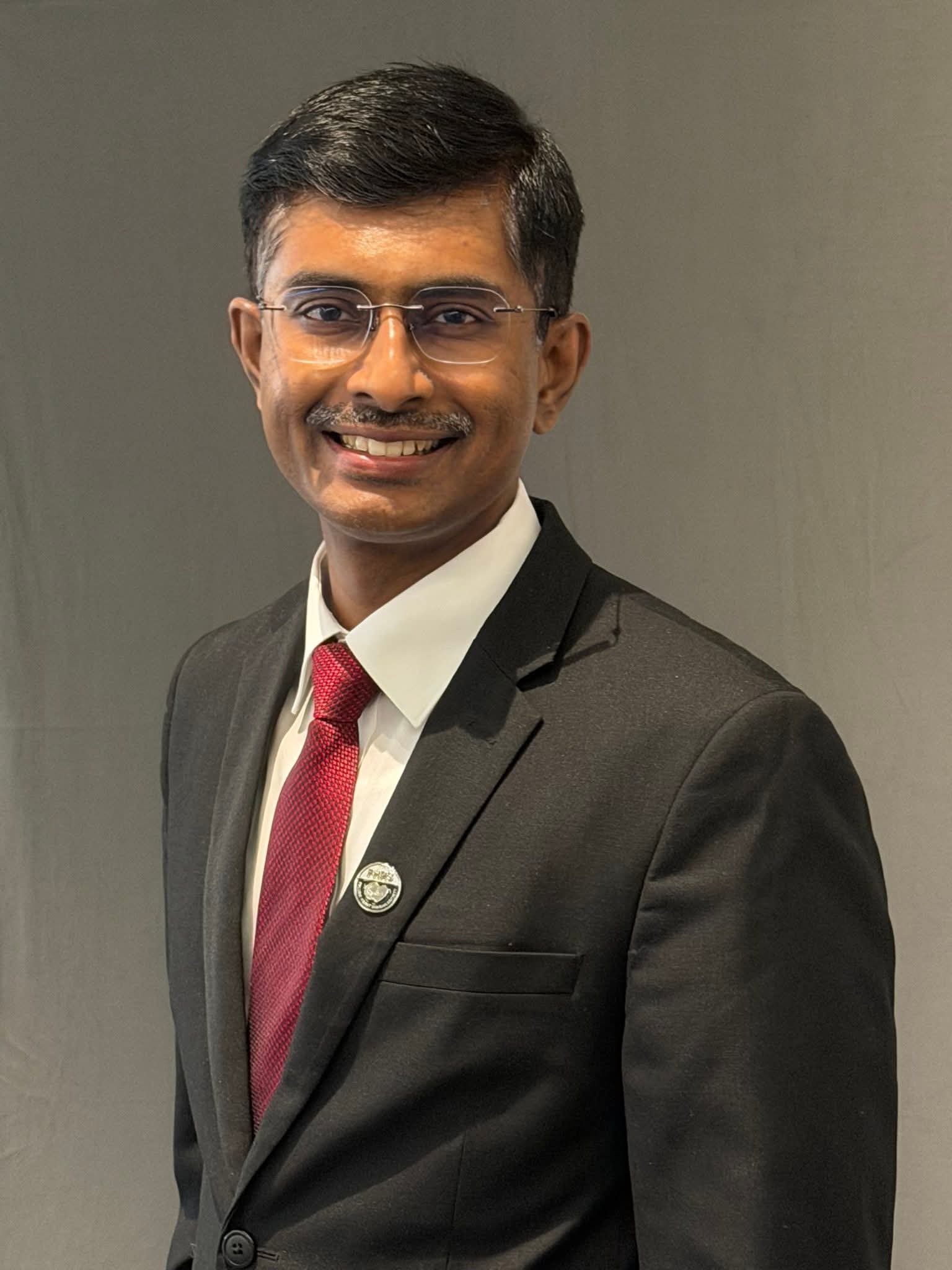
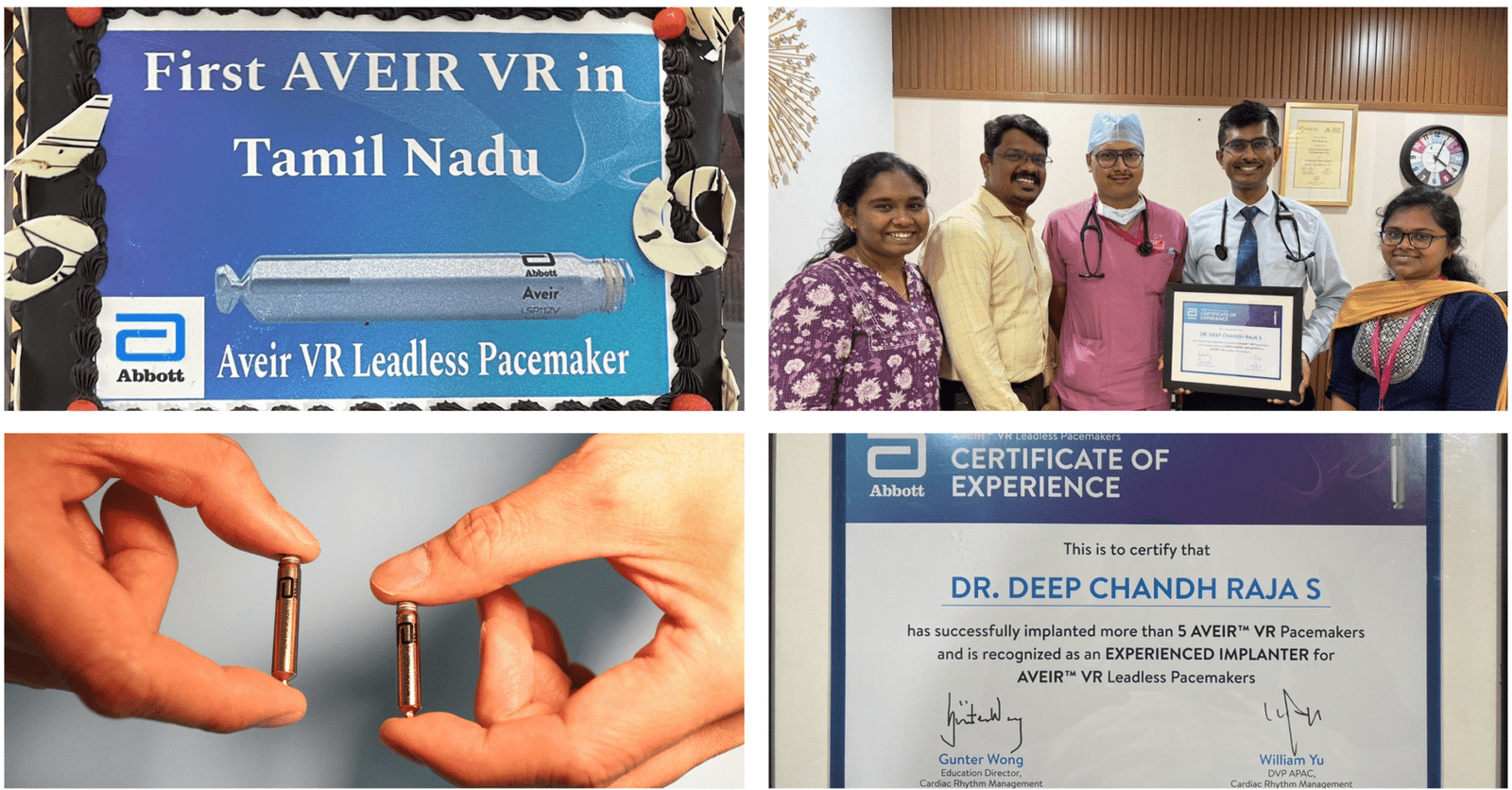
At Chennai Heart Rhythm Trust, Dr Deep Chandh Raja, a highly experienced cardiac electrophysiologist in Chennai, specializes in advanced pacemaker implantation procedures. With extensive experience in treating complex heart rhythm disorders, he has successfully helped thousands of patients regain a healthy and stable heart rhythm.
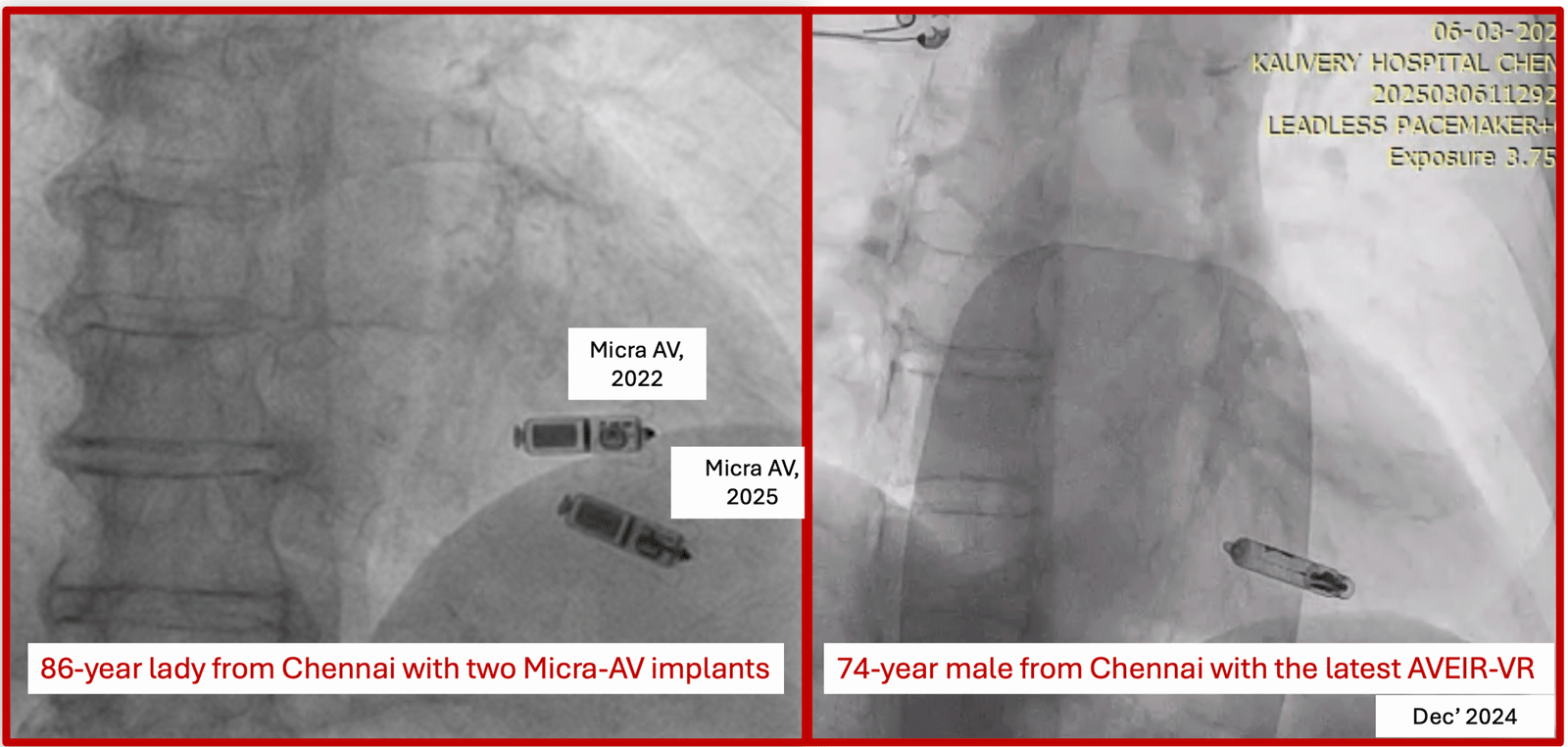
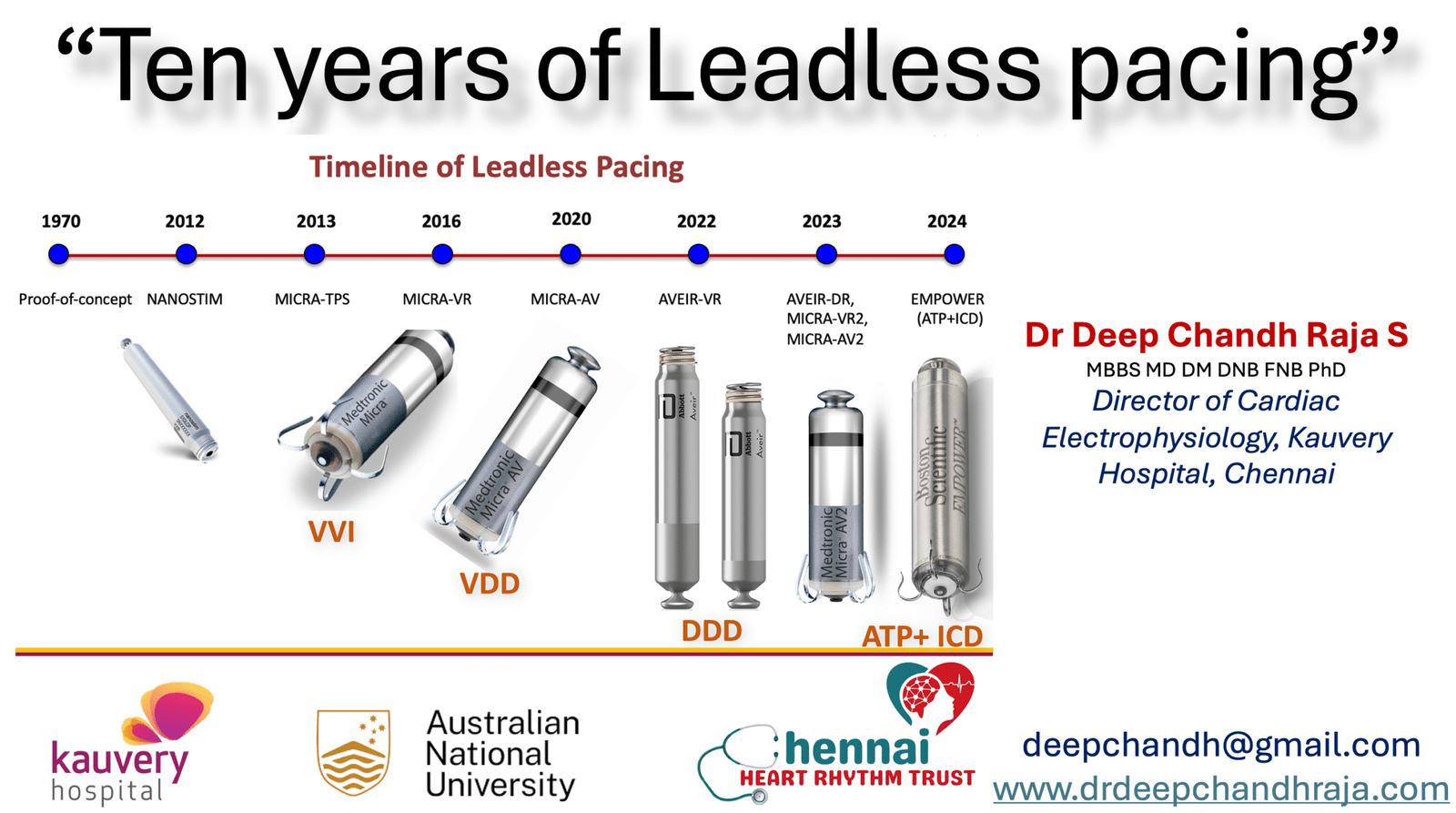
We are among the few centers offering next-generation leadless pacemaker treatment in Chennai. With cutting-edge technology and expert care, we ensure safe pacemaker implantation in Chennai and ongoing monitoring to support your heart’s health and rhythm.
What is a Leadless Pacemaker?
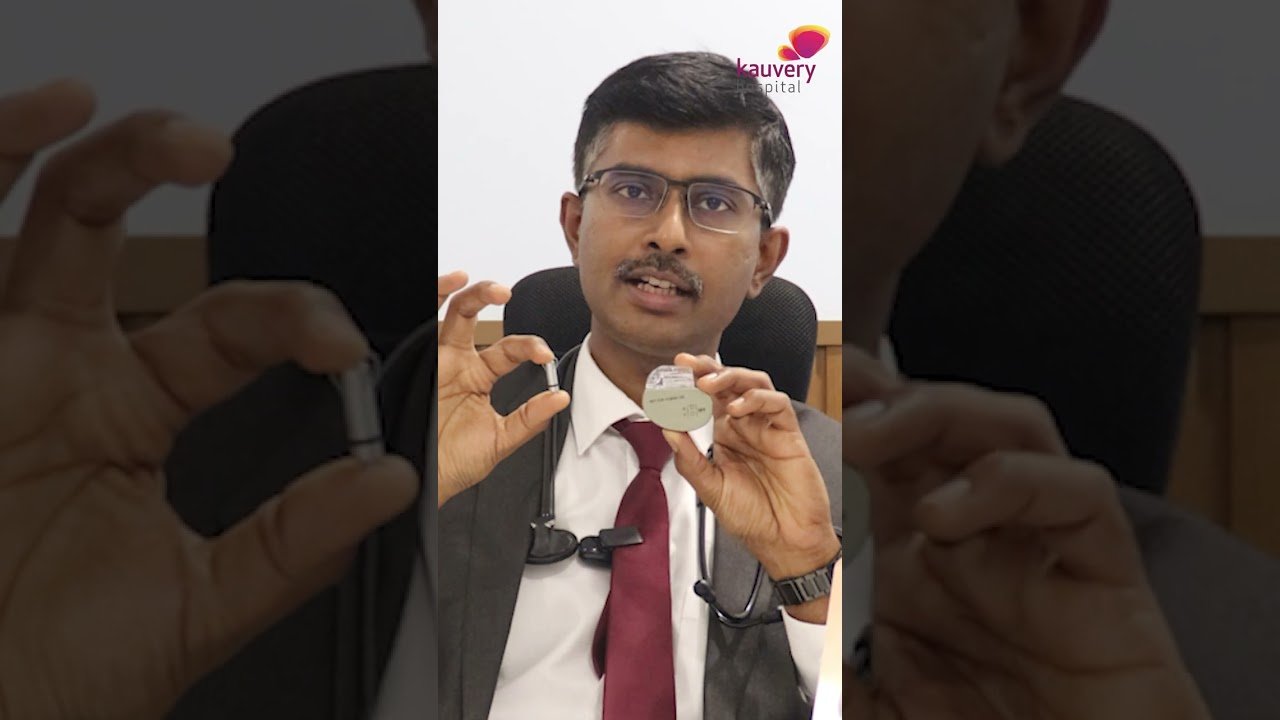
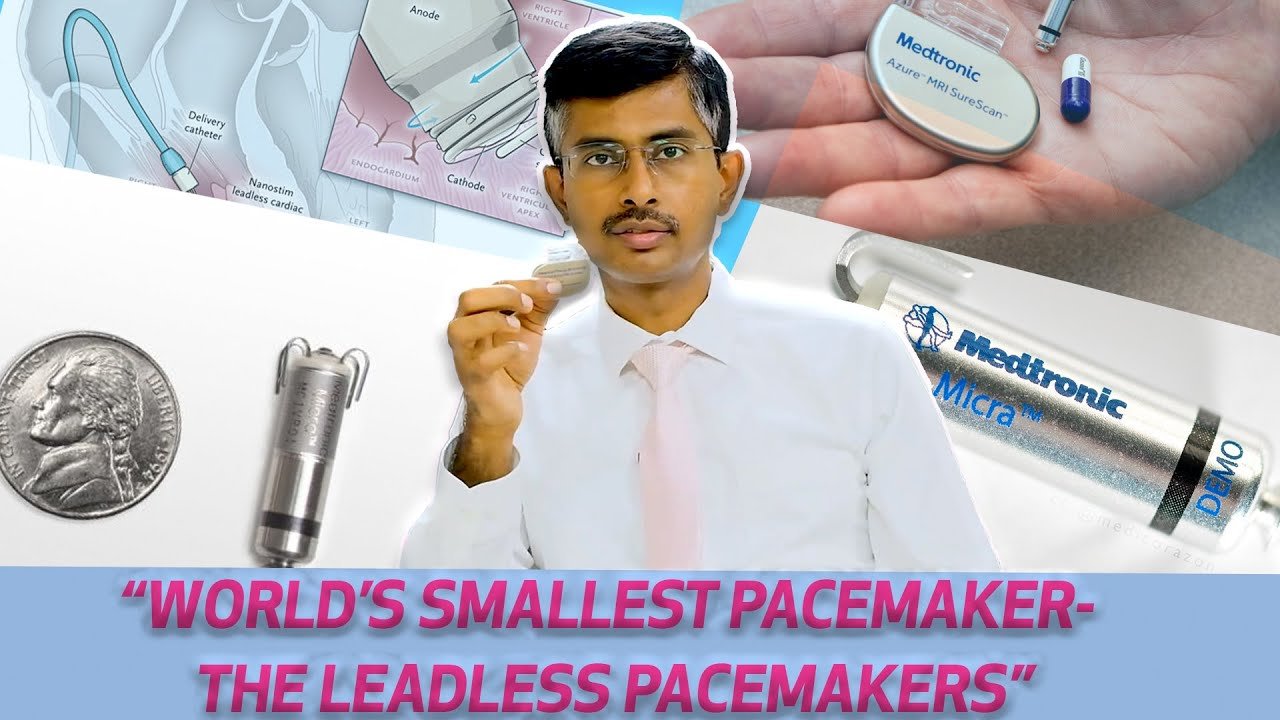
A leadless pacemaker is a self-contained device about the size of a vitamin capsule. It is placed entirely inside the right ventricle of the heart without the use of surgical incisions or chest pockets. This advanced device monitors your heart rate and delivers gentle electrical pulses whenever it detects a slow heartbeat.
When is Leadless Pacemaker Recommended?
Leadless pacemakers are typically used in patients who:
- Have bradycardia (abnormally slow heart rate)
- Have limited access or complications with traditional pacemaker sites
- Have infection risks or prior lead-related issues
- Prefer a minimally invasive, cosmetic-friendly solution
It is also an ideal option for patients with venous access challenges, younger patients seeking a lead-free system, or those with prior device infections.
Benefits of Choosing Leadless Pacemaker Implantation in Chennai
Compared to traditional pacemakers, leadless systems offer several benefits:
Reduces the risk of lead-related complications such as fractures, infections, or dislodgement
Inserted through a catheter in the femoral vein without a surgical chest incision
No visible scar or chest bulge
Entirely contained within the heart
Most patients go home within 24 hours
Leadless pacemakers provide similar performance and battery life (8–12 years) as traditional devices, but with fewer mechanical and wound-related complications.
How is the Procedure Performed?
Leadless pacemaker implantation is performed in a specialized cardiac catheterization lab under local anesthesia and mild sedation. A catheter is inserted into the femoral vein in the groin (leg) and guided to the right ventricle. The tiny pacemaker is then deployed into the heart muscle and begins functioning immediately.
The procedure typically takes 30 to 60 minutes and does not require any chest incisions or external pacing wires.
Life After Leadless Pacemaker Implantation
Patients generally recover faster than with traditional pacemakers:
- You may return home the same day or the next morning
- Avoid strenuous activities or heavy lifting for the first 1–2 weeks
- Resume most daily routines within a few days
- Regular device checkups are done remotely or in-clinic using wireless monitoring technology
Most people notice an immediate improvement in symptoms such as fatigue, dizziness, or fainting spells once their heart rhythm is stabilized.
Is Leadless Pacemaker Right for You?
Leadless pacemakers are best suited for patients needing single-chamber or dual-chamber pacing. Dr. Deep Chandh Raja will assess your condition through:
- ECG or Holter monitoring
- Echocardiogram
- Electrophysiology Study (EPS)
- Medical history including previous infections, vein access, or lead-related complications
If you’re a good candidate, leadless pacing offers a safer, cleaner, and more convenient solution.
Why Choose Dr. Deep Chandh Raja for Pacemaker Treatment in Chennai?
- Renowned and highest implanter of leadless pacemakers in the region
- Trained at international centers
- Proctor for many cardiologists in India
- Excellent team for follow-up care
Get in Touch
Contact Info
Email Address
deepchandh@gmail.com
Kauvery Hospital - Alwarpet
Director of Cardiac Electrophysiology and Senior Consultant in Cardiology
Phone: +91 80562 04449
Kauvery Hospital - Vadapalani
Director of Cardiac Electrophysiology and Senior Consultant in Cardiology
Phone: +91 90436 32236
Raja Multi-Specialty Clinic
Plot no 1, Nolambur Phase 1, VGN Nagar Phase 1, Nolambur, Ambattur Industrial Estate, Chennai, Tamil Nadu 600037
Phone: +91 86086 01590
FAQ's
Most Popular Questions
A slow heart rate (bradycardia) is when the heart beats fewer than 60 times per minute. When the heart beats too slowly, it cannot pump enough blood to the body, causing symptoms like dizziness, fatigue, fainting, or shortness of breath. A pacemaker is recommended when these symptoms significantly affect daily life or when the heart rate drops to dangerously low levels. A leadless pacemaker is a modern, minimally invasive option that regulates the heart rate without any surgical incision or external wires.
Most leadless pacemakers last between 8 to 12 years, depending on how often the device delivers pacing pulses (which varies by the patient's heart rhythm) and how the device is programmed. Dr. Deep Chandh Raja will monitor the battery status at every follow-up visit and advise you well in advance when a replacement is needed.
The cost of leadless pacemaker implantation in Chennai varies depending on the type of device (e.g., Micra or AVEIR), the hospital facility, and the patient's overall condition. It is generally higher than a conventional pacemaker due to the advanced technology involved. Your cardiologist will recommend the most suitable device and provide a detailed cost estimate based on your specific treatment plan. Please contact our team for a personalised quote.
An experienced cardiac electrophysiologist is the right specialist for leadless pacemaker implantation — not just a general cardiologist. Dr. Deep Chandh Raja at Chennai Heart Rhythm Trust is recognised as one of the highest-volume implanters of leadless pacemakers in South India. He is internationally trained, serves as a proctor for other cardiologists across India, and practices at Kauvery Hospital Alwarpet and Kauvery Hospital Vadapalani.
Yes, leadless pacemaker implantation is considered very safe — and in many ways safer than a conventional pacemaker. Because there are no leads (wires) or a surgical pocket under the skin, the risks of lead fracture, lead dislodgement, and wound infection are eliminated entirely. The procedure is performed through a small access point in the groin vein, requires no chest incision, and has a high success rate when performed by an experienced cardiac electrophysiologist like Dr. Deep Chandh Raja.
No. The leadless pacemaker is approximately the size of a large vitamin capsule and is placed entirely within the heart muscle. There is no visible bulge under the skin, no scar on the chest, and no sensation from the device itself. Most patients are not aware of its presence at all once they have recovered from the procedure.
Yes. While the leadless pacemaker is designed to remain in the heart permanently, it can be turned off remotely if no longer needed. In cases where the battery is depleted or the device needs to be upgraded, a new device can be implanted alongside the existing one. Retrieval of the old device is also possible in most cases, particularly when performed by an experienced specialist soon after implantation.
Recovery is significantly faster than with a traditional pacemaker. Most patients go home within 24 hours of the procedure. You will be advised to avoid strenuous activity and heavy lifting for 1–2 weeks, but most normal daily activities — including bathing, walking, and light work — can resume within a few days. There are no arm movement restrictions as there are with conventional pacemakers, since no leads pass through the shoulder area.
Yes. Current generation leadless pacemakers such as the Micra and AVEIR are MRI-conditional, meaning MRI scans can be safely performed under specified conditions. This is a significant advantage over older conventional pacemakers, many of which were incompatible with MRI. Your doctor will advise the radiology team of your device details before any scan.
Unlike traditional pacemakers, a leadless pacemaker places no restrictions on arm or shoulder movement. Within a few days you can resume light activities, driving (once cleared by your doctor), and regular exercise. Avoid high-impact contact sports or very heavy lifting for the first 2 weeks. Swimming, yoga, and most recreational activities are generally permitted after full recovery. Dr. Deep Chandh Raja will provide personalised activity guidance based on your heart condition.
Blogs
Press Release
Kauvery Hospital Conducts 4th Edition of ECG Masterclass 2026 Over 400 Medical Professionals Participate
Single-Session Dual Arrhythmia Ablation: Kauvery Hospital Achieves Breakthrough in High-Risk Cardiac Care through Cryoablation and RF ablation
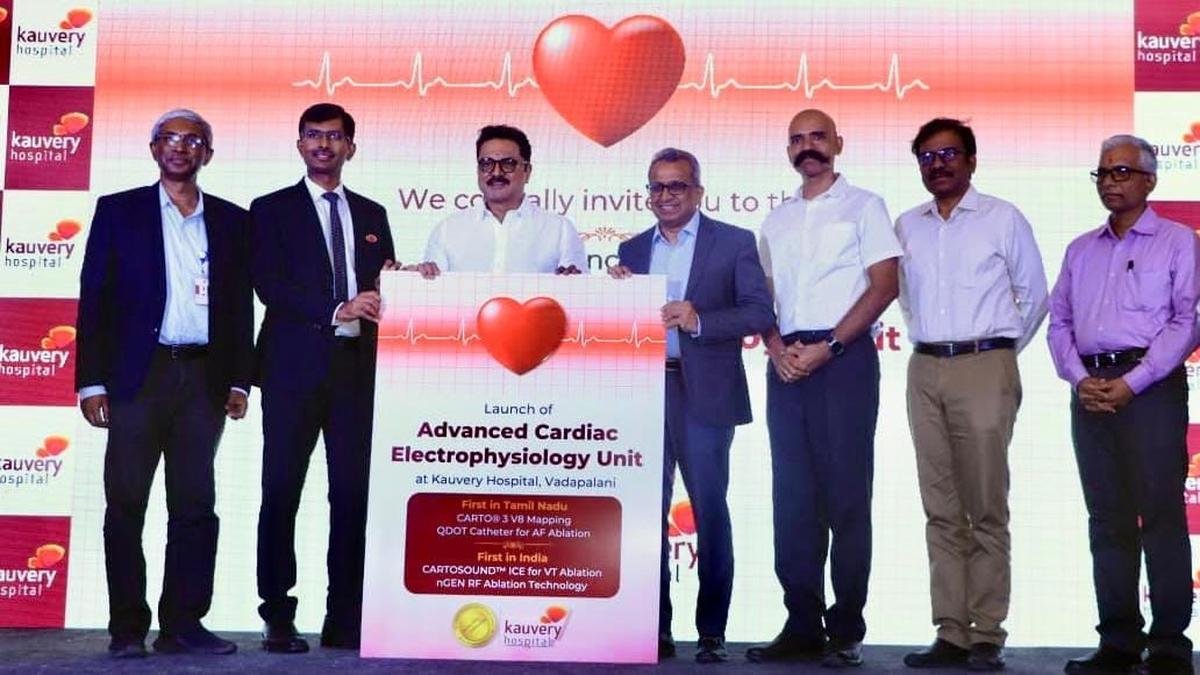
Kauvery Hospitals Vadapalani Launches Advanced Cardiac Electrophysiology Unit with First-of-Its-Kind Technologies in India
Kauvery Hospital Alwarpet uses ECMO-CPR to save 62 aged man, who suffered complex heart attack with refractory Cardiac Arrest
Kauvery Hospital Conducts Afib Pacing Summit 2025 Showcasing Breakthroughs in Arrhythmia Care and Leadless Pacing