
Electrical Cardioversion for Arrhythmia: A Life-Saving Procedure
Introduction
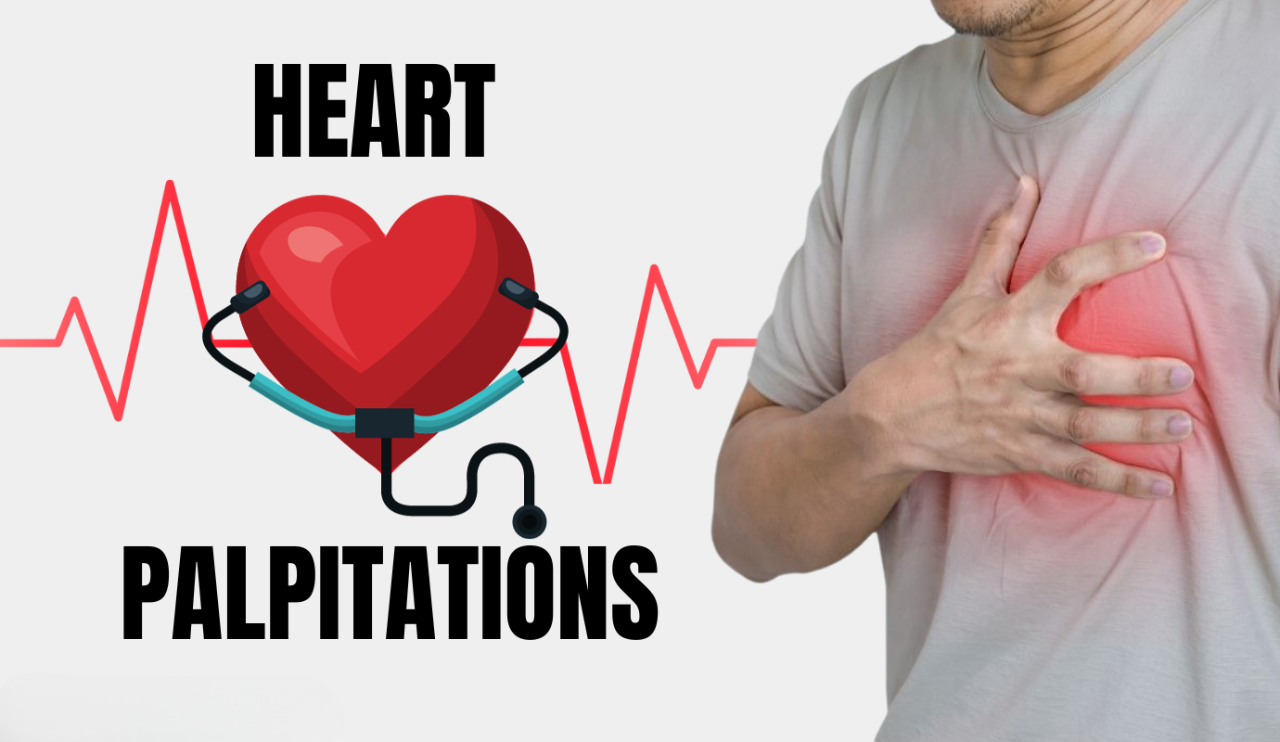
Have you ever felt your heart racing uncontrollably or beating irregularly? If so, you might have experienced an arrhythmia—a condition where the heart’s electrical system malfunctions, causing abnormal heart rhythms. While some arrhythmias are harmless, others can be life-threatening and require immediate treatment.
One of the most effective treatments for certain types of arrhythmias is electrical cardioversion. In this blog, we’ll explore what this procedure entails, why it’s needed, and what patients can expect before, during, and after the treatment.
What is Electrical Cardioversion?
Electrical cardioversion is a medical procedure that uses a controlled electric shock to restore a normal heart rhythm in patients with certain types of arrhythmias, such as:
- Atrial Fibrillation (AFib)
- Atrial Flutter
- Ventricular Tachycardia (VT)
- Supraventricular Tachycardia (SVT)
Unlike defibrillation (used in emergencies like cardiac arrest), cardioversion is a planned procedure performed under controlled conditions to reset the heart’s rhythm.
Why is Electrical Cardioversion Needed?
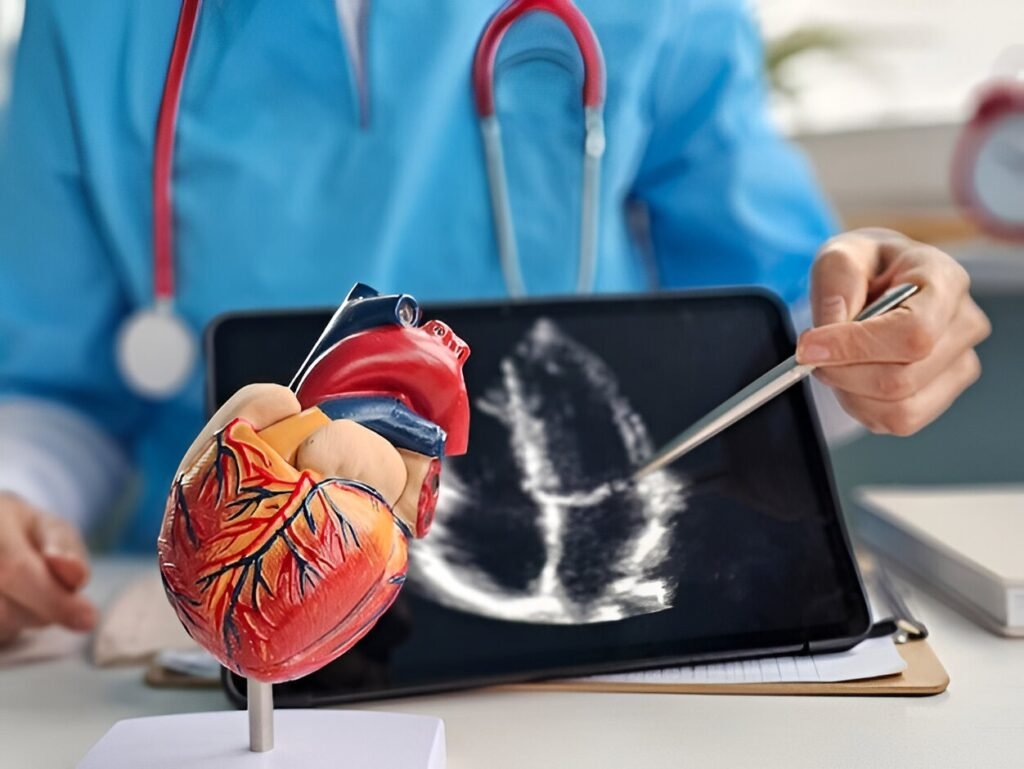
When the heart beats too fast or irregularly, it can lead to:
✔ Poor blood circulation → Fatigue, dizziness, or fainting
✔ Increased risk of stroke (especially in AFib)
✔ Heart failure (if the arrhythmia persists for long)
Medications are often the first line of treatment, but if they don’t work, electrical cardioversion may be recommended to quickly restore a normal rhythm.
How Does It Work?
The procedure involves delivering a brief electrical shock to the heart through paddle electrodes or sticky patches placed on the chest. This shock “resets” the heart’s electrical activity, allowing it to resume a normal rhythm.
Step-by-Step Process:
- Preparation:
- Blood tests & imaging to rule out blood clots (if AFib is present, blood thinners may be given).
- Fasting for 6-8 hours before the procedure.
- Short-acting anesthesia to keep the patient comfortable.
- The Procedure:
- Electrodes are placed on the chest (and sometimes back).
- A controlled shock is delivered (takes just a few seconds).
- The heart’s rhythm is monitored to check for success.
- Recovery:
- Patients wake up shortly after and are observed for an hour or two.
- Most can go home the same day with someone to drive them.
Is Electrical Cardioversion Safe?
Yes! It’s a low-risk procedure when performed by an experienced specialist. Possible (but rare) risks include:
- Skin burns (from electrodes)
- Temporary irregular heartbeats
- Blood clots leading to stroke (if proper precautions aren’t taken)
Your doctor will assess your condition and take necessary precautions to minimize risks.
What to Expect After the Procedure?
- Mild chest discomfort (like a sunburn) where the patches were placed.
- Fatigue for a day or two due to anesthesia.
- Follow-up medications to maintain normal rhythm.
Most patients feel immediate improvement in their symptoms, but some may need repeat procedures or additional treatments like ablation if arrhythmias return.
Check your Heart Health with Dr.Deep Chandh Raja (DrDCR)
Dr. Deep Chandh Raja (DCR) is a renowned cardiologist with over 15 years of experience, specializing in cardiac electrophysiology—the advanced study and treatment of heart rhythm disorders. His dedication to early diagnosis, effective treatment, and long-term heart health management.
Dr. Deep Chand Raja
Cardiac Electrophysiologist
Expert in Heart Rhythm Disorders
Website: [https://drdeepchandhraja.com/]
Final Thoughts
Electrical cardioversion is a quick, effective, and safe way to treat certain arrhythmias and improve heart function. If you or a loved one has been diagnosed with an irregular heartbeat, consult a cardiac electrophysiologist to see if this procedure is right for you.
Stay heart-healthy