Heavy Heart Burden: How Obesity Puts Your Heart at Risk
Your heart carries you through life—don’t let excess weight weigh it down.
Heavy Heart Burden: How Obesity Puts Your Heart at Risk
Heavy Heart Burden: How Obesity Puts Your Heart at Risk
Introduction
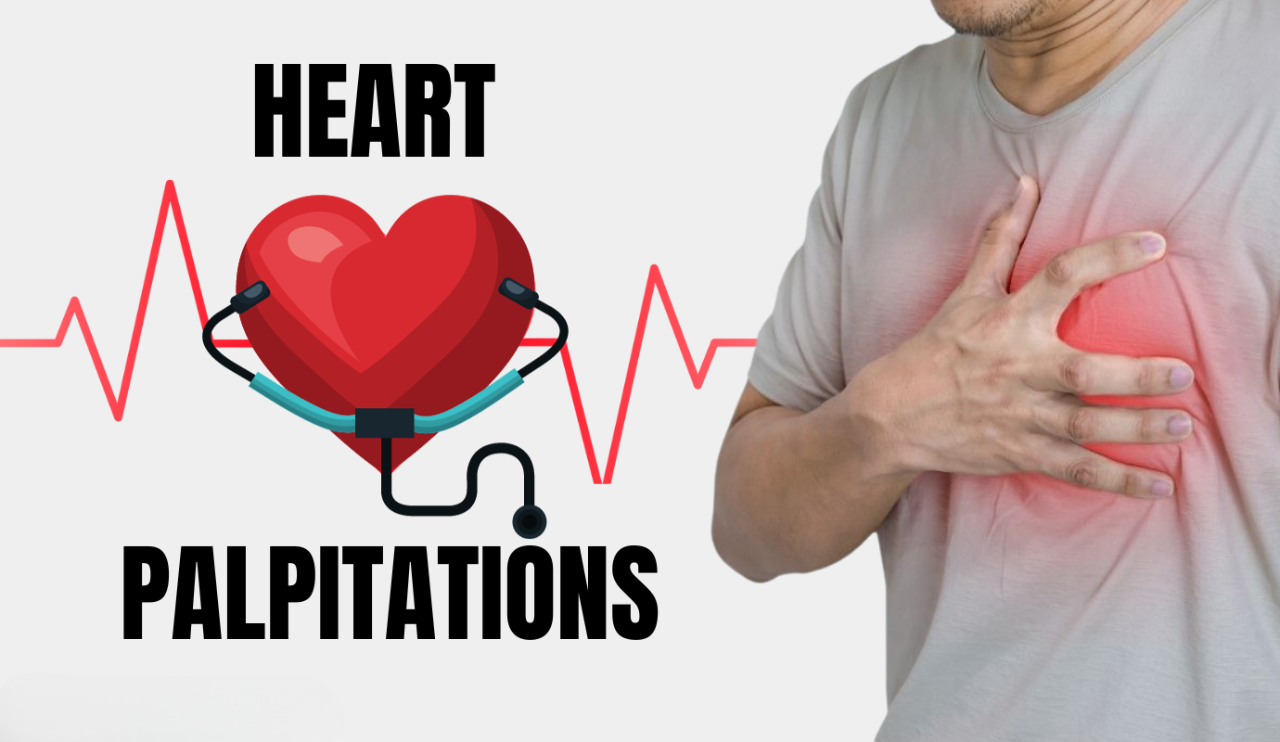
Obesity is not just about carrying extra weight—it’s a serious medical condition that significantly impacts heart health. With rising obesity rates worldwide, cardiovascular diseases (CVDs) have become a leading cause of death. Excess body fat, especially around the abdomen, increases the workload on the heart, raises blood pressure, and disrupts metabolic functions.
In this blog, we’ll explore how obesity affects the heart, the associated risks, and practical steps to mitigate them.
How Obesity Damages Your Heart
1. Increased Cardiac Workload
The heart must pump blood to a larger body mass, leading to:
150 minutes/week of moderate exercise (walking, swimming).
Strength training (2-3 times/week) to boost metabolism.
Avoid prolonged sitting—take short breaks.
3. Weight Management Strategies
Set realistic weight loss goals (5-10% body weight loss improves heart function).
Consult a nutritionist or doctor for personalized plans.
Consider medical interventions (if necessary) under supervision.
4. Monitor Heart Health Regularly
Check blood pressure, cholesterol, and blood sugar levels.
Get screened for sleep apnea if experiencing fatigue or snoring.
Annual cardiac check-ups for high-risk individuals.
5. Stress & Sleep Management
Practice mindfulness (yoga, meditation).
Aim for 7-8 hours of quality sleep.
Avoid smoking and excessive alcohol.
Conclusion
Obesity is a major, modifiable risk factor for heart disease. By making conscious lifestyle changes—eating well, staying active, and monitoring health—you can significantly reduce cardiovascular risks. If you’re struggling with weight-related heart concerns, seek professional guidance to create a sustainable plan.
Your heart carries you through life—don’t let excess weight weigh it down.