
Treatment Options for Sleep Apnea to Protect Your Heart
Sleep apnea is more than just loud snoring or restless nights—it’s a serious condition that can harm your heart over time. If left untreated, it increases the risk of high blood pressure, heart disease, stroke, and even irregular heart rhythms. The good news? Effective treatments are available to manage sleep apnea and safeguard your heart health.
In this blog, we’ll explore the best treatment options for sleep apnea and how they can help protect your cardiovascular system.
Understanding Sleep Apnea and Its Impact on the Heart
Sleep apnea is a disorder where breathing repeatedly stops and starts during sleep. The most common type, obstructive sleep apnea (OSA), occurs when throat muscles relax and block the airway. This leads to:
- Low oxygen levels – Strains the heart and blood vessels.
- Frequent awakenings – Disrupts deep sleep, raising stress hormones.
- Increased blood pressure – Forces the heart to work harder.
Over time, these effects contribute to heart disease, atrial fibrillation (irregular heartbeat), and even heart failure.
Effective Treatment Options for Sleep Apnea
1. Continuous Positive Airway Pressure (CPAP) Therapy
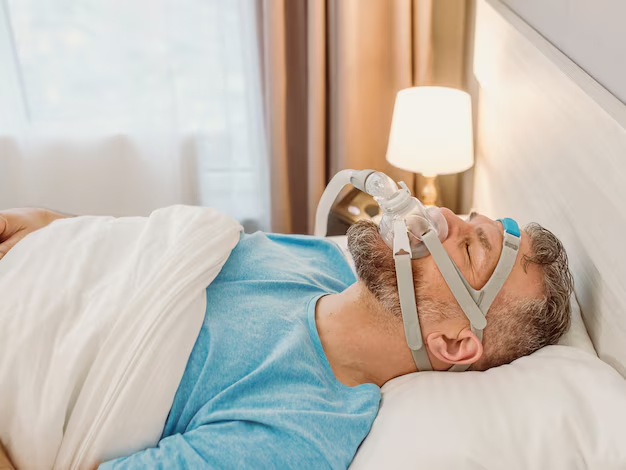
How it works: A CPAP machine delivers a steady stream of air through a mask, keeping your airway open while you sleep.
Benefits:
- Prevents breathing pauses and improves oxygen levels.
- Reduces blood pressure and lowers heart disease risk.
- Enhances sleep quality, reducing daytime fatigue.
Best for: Moderate to severe sleep apnea.
2. Oral Appliances (Mandibular Advancement Devices)
How it works: Custom-fitted dental devices gently reposition the jaw to keep the airway open.
Benefits:
- Comfortable and portable (easier than CPAP for some).
- Effective for mild to moderate sleep apnea.
- Helps reduce snoring and improves breathing.
Best for: Patients who find CPAP uncomfortable or have mild OSA.
3. Lifestyle Changes
Simple adjustments can significantly improve sleep apnea symptoms and heart health:
- Weight loss: Reduces fat around the neck, easing airway obstruction.
- Sleep position therapy: Sleeping on your side (instead of your back) helps keep the airway open.
- Avoid alcohol & sedatives: These relax throat muscles, worsening apnea.
- Quit smoking: Reduces inflammation and improves lung function.
4. Surgery (For Severe Cases)
If other treatments fail, surgical options may be considered:
- Uvulopalatopharyngoplasty (UPPP): Removes excess tissue from the throat.
- Inspire Therapy: A surgically implanted device stimulates airway muscles during sleep.
- Jaw Surgery (Maxillomandibular Advancement): Repositions the jaw to widen the airway.
Best for: Patients with structural issues (deviated septum, enlarged tonsils) causing severe OSA.
5. Adaptive Servo-Ventilation (ASV) for Central Sleep Apnea
How it works: Unlike OSA, central sleep apnea occurs when the brain fails to send proper signals to breathing muscles. ASV devices adjust air pressure dynamically to support natural breathing.
Benefits:
- Stabilizes irregular breathing patterns.
- Reduces strain on the heart.
Best for: Patients with heart failure or complex sleep apnea.
Why Treating Sleep Apnea is Crucial for Heart Health
Studies show that managing sleep apnea can:
✅ Lower blood pressure (reducing hypertension risks).
✅ Decrease arrhythmias (like atrial fibrillation).
✅ Improve heart function in patients with heart failure.
✅ Reduce stroke risk by improving oxygen flow.
Final Thoughts: Take Action Today!
If you suspect sleep apnea (symptoms include loud snoring, daytime fatigue, or waking up gasping), consult a sleep specialist. A sleep study (polysomnography) can diagnose the condition, and the right treatment can transform your sleep—and your heart health.
Dr. Deep Chandh Raja specializes in cardiology and ElectroPhysiologists in chennai, helping patients improve their heart health through better sleep. If you have concerns about sleep apnea, don’t wait—schedule a consultation today