
Hole in the Heart: Symptoms You Should Never Ignore
Symptoms You Should NEVER Ignore
Some people with a small hole may have no symptoms, but larger defects can cause noticeable signs, including:
In Babies & Children
- Difficulty feeding (poor weight gain)
- Fast breathing or shortness of breath
- Frequent lung infections (pneumonia, bronchitis)
- Bluish skin (cyanosis), especially on lips and fingertips
- Excessive sweating, especially during feeding
- Fatigue or tiring easily during play
In Adults
- Shortness of breath, especially during activity
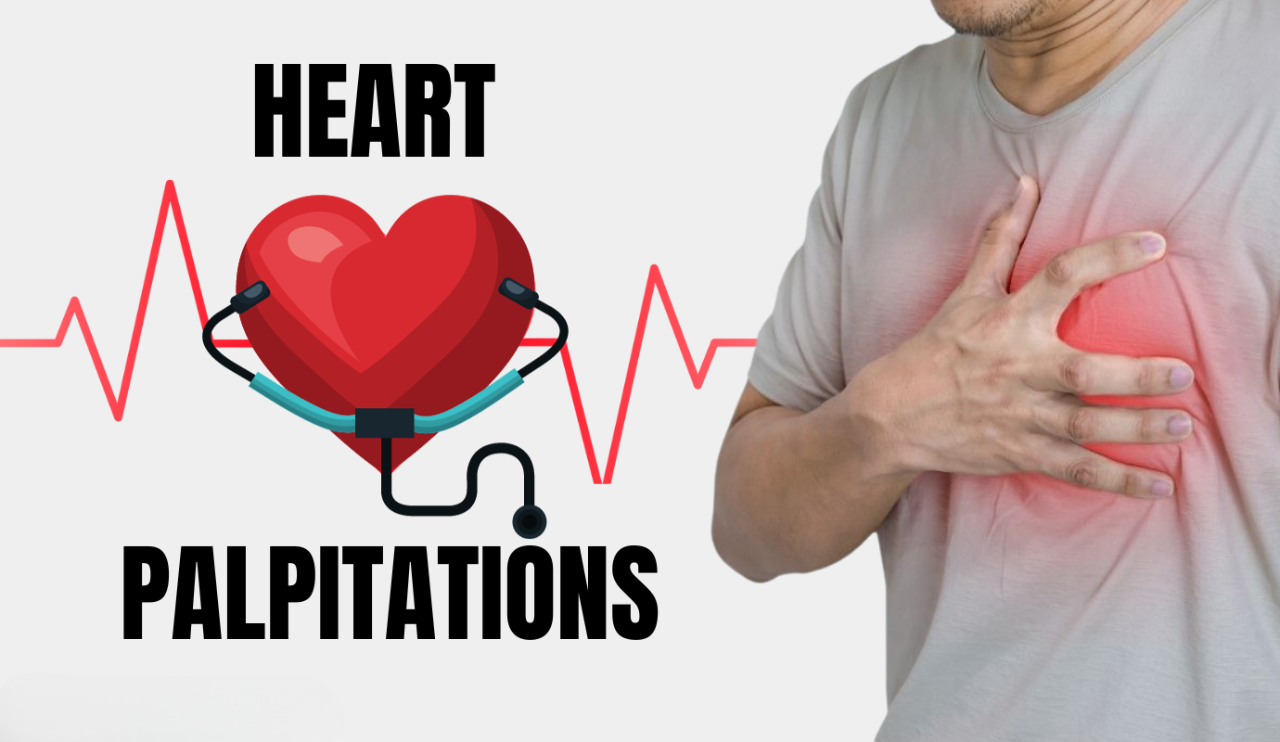
- Heart palpitations (irregular or rapid heartbeat)
- Swelling in legs, feet, or abdomen
- Stroke or unexplained blood clots
- Persistent fatigue
- Fainting spells (syncope)
⚠️ If you or your child experience any of these, consult a cardiologist immediately!
How is a Hole in the Heart Diagnosed?
If symptoms suggest a septal defect, your doctor may recommend:
- Echocardiogram (Echo) – Ultrasound of the heart to visualize the hole.
- Electrocardiogram (ECG/EKG) – Checks electrical activity for irregularities.
- Chest X-ray – Reveals heart enlargement or fluid in lungs.
- Cardiac MRI or CT Scan – Provides detailed images of the defect.
- Pulse Oximetry – Measures oxygen levels in the blood.
Early diagnosis is crucial to prevent complications like pulmonary hypertension or heart failure.
Treatment Options
Treatment depends on the size of the hole and severity of symptoms:
1. Monitoring (Small Holes)
- Some ASDs/VSDs close on their own in children.
- Regular check-ups ensure no complications arise.
2. Medications
- Help manage symptoms (e.g., diuretics for fluid buildup, beta-blockers for heart rate control).
3. Surgical Repair
- Cardiac Catheterization – A non-surgical procedure where a mesh device is inserted to seal the hole.
- Open-Heart Surgery – For large holes, a patch is placed to close the defect.
Most patients recover well and lead normal, active lives after treatment!
Can a Hole in the Heart Be Prevented?
Since most holes are congenital, prevention isn’t always possible. However, pregnant women can reduce risks by:
✔ Avoiding alcohol, smoking, and certain medications
✔ Managing chronic conditions (like diabetes)
✔ Taking prenatal vitamins (folic acid helps in fetal heart development)
For adults, maintaining a heart-healthy lifestyle reduces complications.
Final Thoughts
A hole in the heart is a treatable condition, but ignoring symptoms can be dangerous. If you or your child shows signs like shortness of breath, fatigue, or bluish skin, seek medical advice promptly.
With early detection and proper care, most patients live healthy, fulfilling lives.
Need expert advice? Don’t hesitate to reach out!