

MRI Safety in Patients with Pacemakers: Precautions & Protocols
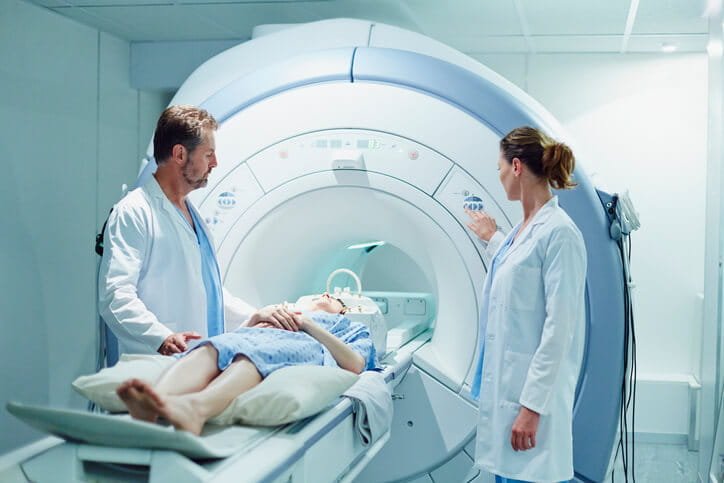
MRI scans in patients with pacemakers require strict safety protocols to prevent device malfunction or interference from the magnetic field. With proper planning and monitoring, MRI can be safely performed — especially in patients with MRI-conditional pacemakers.
Pre-MRI Precautions
Before the scan, careful evaluation is essential:
- Confirm the pacemaker is MRI-conditional
- Check for damaged, fractured, or abandoned leads
- Wait 4–8 weeks after implantation for lead stabilization
- Device interrogation and programming into MRI-safe mode by an electrophysiologist or trained technician
- Remove all metal objects such as jewelry or hearing aids
During MRI Safety Measures
Strict monitoring is required throughout the procedure:
- Continuous monitoring of ECG, blood pressure, and oxygen levels
- Pacemaker often set to asynchronous mode to avoid magnetic interference
- Presence of trained medical staff with ACLS skills
- Emergency equipment, including a defibrillator, must be available
- Most scans are performed at 5 Tesla, though some newer systems may allow 3 Tesla depending on device compatibility
Post-MRI Care
After the MRI, the pacemaker must be reassessed:
- Immediate restoration of original device settings
- Complete device check for lead function and performance
- Follow-up evaluation within 3–6 months to ensure ongoing safety
Final Note
MRI scans are increasingly safe for pacemaker patients when proper protocols are followed. Coordination between cardiologists, electrophysiologists, and radiology teams ensures accurate imaging without compromising patient safety.