
HRX Live 2026: The Future of Cardiac Electrophysiology
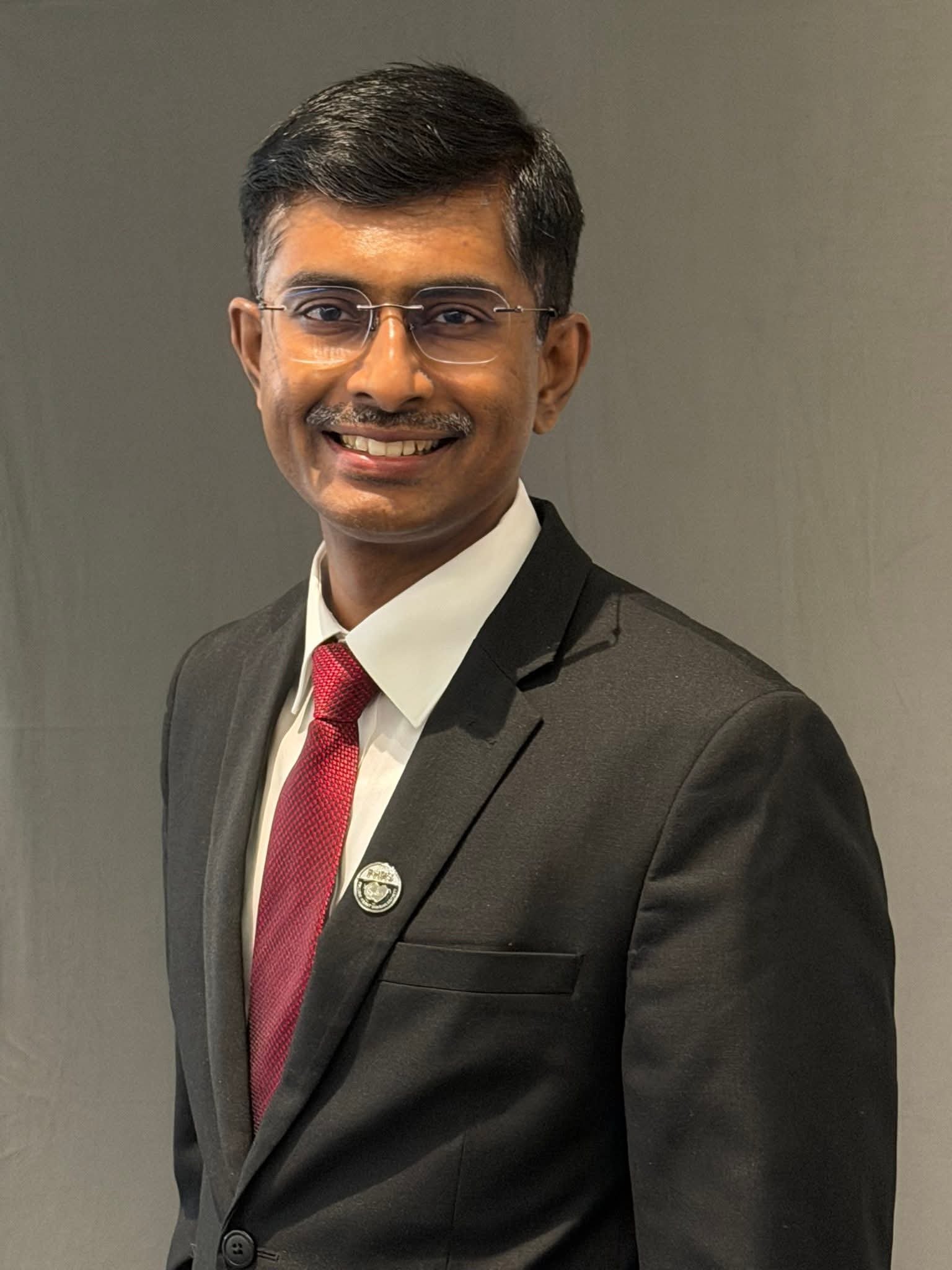
Dr. Deep Chandh Raja | Electrophysiologist in Chennai
Attending HRX Live 2026 in Atlanta was an enriching experience that offered valuable insights into the future of cardiac electrophysiology, heart rhythm care and cardiovascular innovation.
The event brought together electrophysiologists, cardiologists, researchers, engineers and healthcare innovators to explore how emerging technologies are transforming the diagnosis and treatment of cardiac arrhythmias.
Key Innovations in Cardiac Electrophysiology
Discussions at HRX Live 2026 highlighted several important areas shaping modern electrophysiology:
- Artificial intelligence in cardiology and electrophysiology
- Advanced cardiac mapping and catheter ablation
- New approaches to atrial fibrillation treatment
- Wearables and remote heart rhythm monitoring
- Digital health and connected cardiac care
- Clinical research and emerging technologies
- Collaboration between clinicians, researchers and technology companies
AI and the Future of Heart Rhythm Care
Artificial intelligence is increasingly becoming an important part of cardiovascular innovation. AI can help analyse ECGs, cardiac signals and large volumes of clinical data, potentially supporting earlier detection and more personalised treatment strategies.
However, technology should complement clinical expertise. The ultimate goal is to use innovation to improve diagnosis, treatment decisions and patient outcomes.
Advances in Mapping and Catheter Ablation
Modern cardiac mapping systems and catheter ablation technologies continue to evolve, helping electrophysiologists better understand abnormal electrical activity within the heart.
These advances are particularly relevant in the management of conditions such as atrial fibrillation, atrial flutter, supraventricular tachycardia and selected ventricular arrhythmias.
Wearables and Arrhythmia Detection
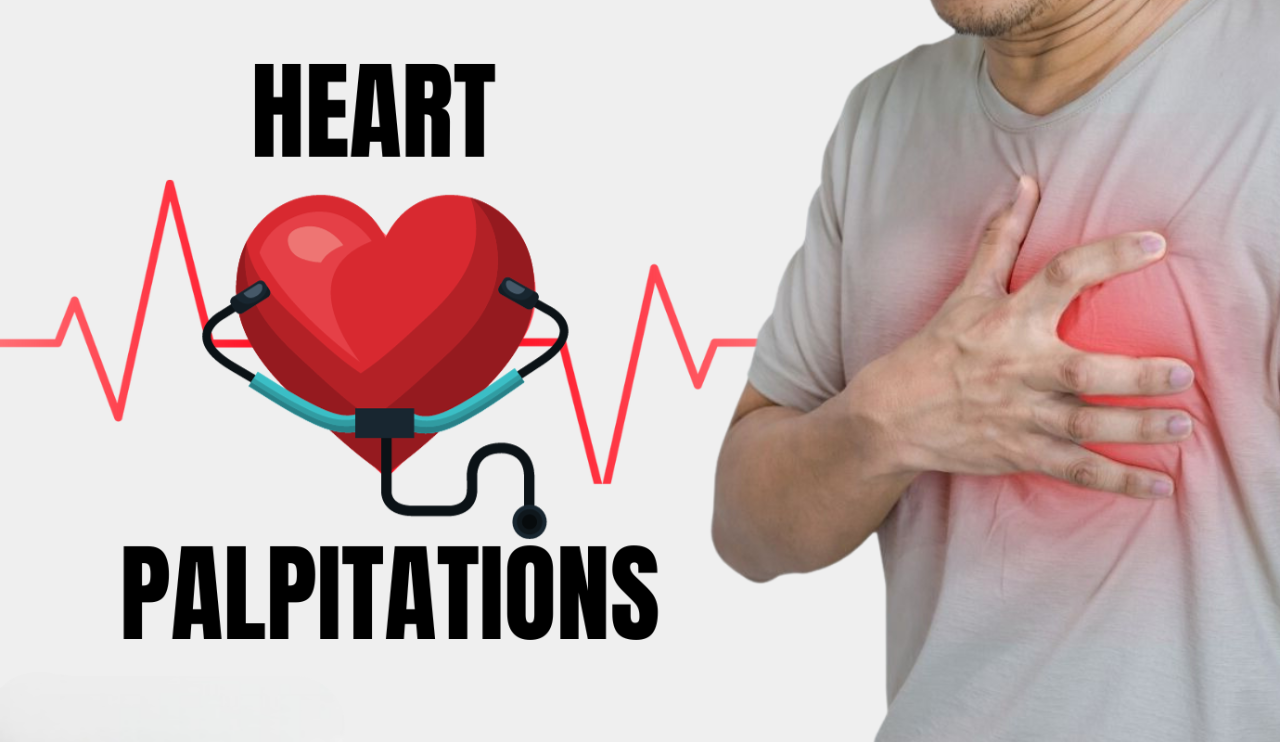
Wearable devices are also creating new opportunities for monitoring heart rhythm outside the hospital. Smartwatches and other devices may help identify irregular heart rhythms and provide useful information for patients experiencing symptoms such as palpitations, racing heartbeat or dizziness.
However, wearable alerts are not a substitute for professional medical evaluation.
From Atlanta to Chennai
One of the most valuable aspects of HRX Live 2026 was considering how global developments in cardiac electrophysiology can contribute to better heart rhythm care in Chennai and across India.
As an electrophysiologist in Chennai, my focus is to continuously learn from global advances and understand how clinically meaningful innovations can be translated into patient-centred care.
The future of electrophysiology will increasingly involve the integration of AI, advanced mapping, catheter ablation, wearable technology, digital health and clinical research.
Ultimately, innovation matters when it helps us diagnose patients earlier, provide effective treatment and improve their quality of life.
From Atlanta to Chennai, the goal remains the same: advancing the future of heart rhythm care for our patients.
About Dr. Deep Chandh Raja
Dr. Deep Chandh Raja is an Electrophysiologist in Chennai specialising in heart rhythm disorders, cardiac electrophysiology, atrial fibrillation, catheter ablation and arrhythmia management.
Patients experiencing recurrent palpitations, irregular heartbeat, dizziness or other possible symptoms of a heart rhythm disorder should seek appropriate medical evaluation from a qualified cardiac specialist.