
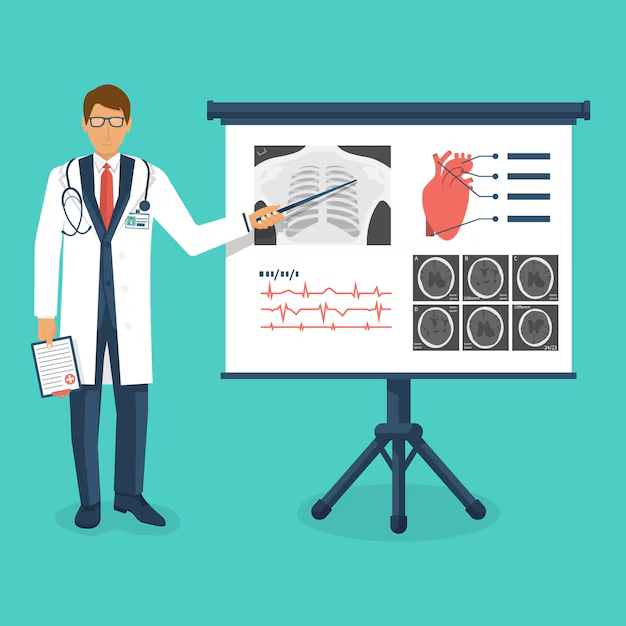
Cardiac Emergency Guide: Symptoms, Risk Factors & Prevention Tips
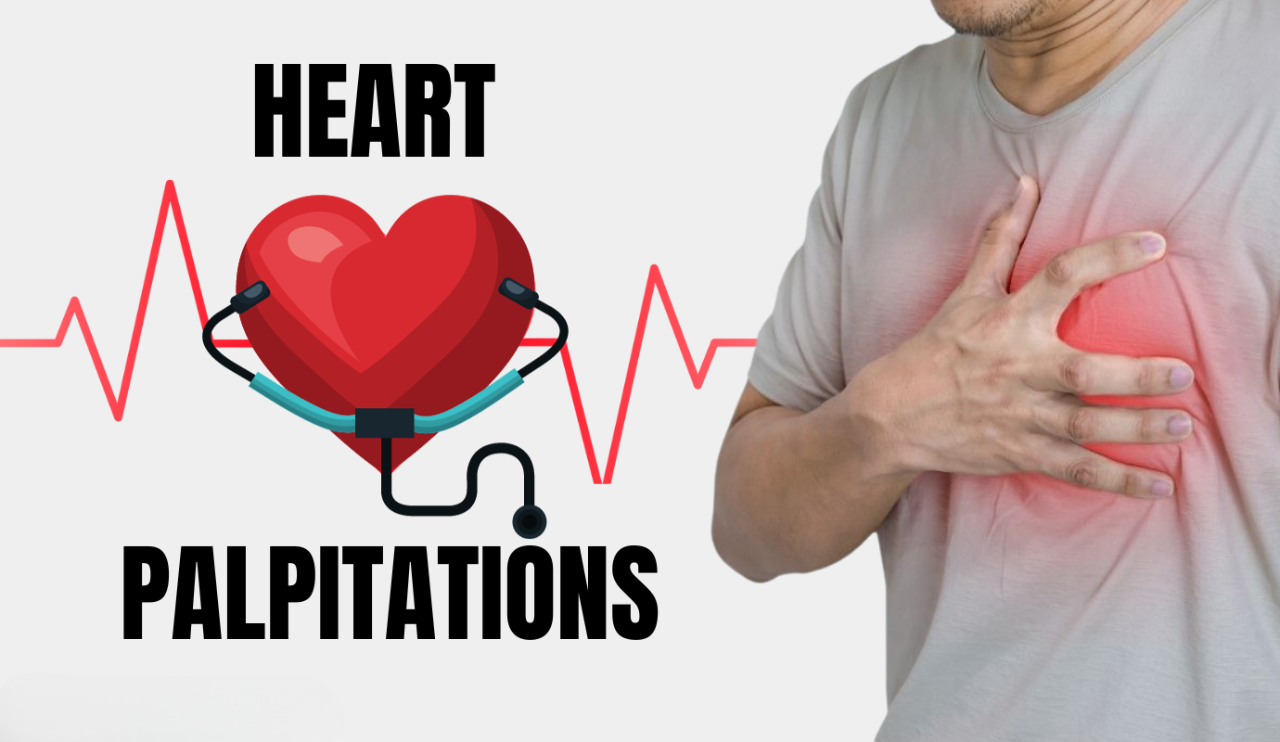
Heart health is something we often take for granted—until a problem arises. Cardiac emergencies can strike suddenly, and knowing the warning signs, risk factors, and prevention strategies can make the difference between life and death.
In this Blog, we’ll break down everything you need to know about cardiac emergencies in simple, easy-to-understand terms. Whether you’re concerned for yourself or a loved one, this information could save a life.
Recognizing the Symptoms of a Cardiac Emergency
A cardiac emergency, such as a heart attack or sudden cardiac arrest, requires immediate medical attention. The symptoms can vary between men and women, and some may be subtle. Here’s what to watch for:
Common Signs of a Heart Attack
- Chest pain or discomfort (pressure, squeezing, or heaviness lasting more than a few minutes)
- Pain radiating to the arms, neck, jaw, back, or stomach
- Shortness of breath (with or without chest pain)
- Cold sweat, nausea, or lightheadedness
- Unexplained fatigue or weakness
Note: Women may experience less obvious symptoms like indigestion, extreme fatigue, or dizziness without classic chest pain.
Signs of Sudden Cardiac Arrest (SCA)
Unlike a heart attack (where blood flow is blocked), SCA occurs when the heart suddenly stops beating. Symptoms include:
- Sudden collapse
- No pulse or breathing
- Loss of consciousness
SCA is fatal within minutes if not treated with CPR and defibrillation.
Who is at Risk? Key Risk Factors for Heart Disease
Some risk factors are beyond our control, but many can be managed with lifestyle changes.
Uncontrollable Risk Factors
- Age (Risk increases after 45 for men, 55 for women)
- Family history of heart disease
- Gender (Men are at higher risk, but women’s risk rises after menopause)
Controllable Risk Factors
- High blood pressure (Silent but deadly—get checked regularly!)
- High cholesterol (Leads to artery blockages)
- Diabetes (Doubles heart disease risk)
- Smoking (Damages blood vessels and reduces oxygen supply)
- Obesity & sedentary lifestyle (Increases strain on the heart)
- Excessive alcohol & stress (Both contribute to heart damage)
Preventing Cardiac Emergencies: Heart-Healthy Habits
The good news? Up to 80% of heart disease is preventable with the right choices. Here’s how to protect your heart:
1. Eat a Heart-Friendly Diet
- More: Fruits, veggies, whole grains, nuts, fish (omega-3s)
- Less: Salt, sugar, fried foods, processed meats, trans fats
2. Stay Active
- Aim for 150 minutes of moderate exercise per week (walking, swimming, cycling).
- Even small changes (taking stairs, short walks) help!
3. Quit Smoking & Limit Alcohol
- Smoking is the #1 preventable cause of heart disease.
- If you drink, stick to 1 drink/day for women, 2 for men.
4. Manage Stress & Sleep Well
- Chronic stress raises blood pressure—try meditation, yoga, or deep breathing.
- 7-9 hours of sleep helps regulate heart health.
5. Regular Health Check-ups
- Monitor blood pressure, cholesterol, and blood sugar.
- Early detection saves lives!
What to Do in a Cardiac Emergency?
If Someone is Having a Heart Attack:
- Call emergency services immediately (Don’t delay!).
- Chew an aspirin (if not allergic) to help thin blood.
- Keep the person calm and seated in a comfortable position.
If Someone Collapses (Possible Cardiac Arrest):
- Call for help and shout for an AED (automated external defibrillator).
- Start CPR (Push hard and fast in the center of the chest).
- Use the AED as soon as possible—it can restart the heart.
Final Thoughts: Your Heart is in Your Hands
Heart disease doesn’t always give a warning, but by knowing the symptoms, understanding your risks, and adopting a heart-healthy lifestyle, you can significantly reduce your chances of a cardiac emergency.
If you have any concerns about your heart health, don’t hesitate to consult a cardiologist. Your heart deserves the best care!
Stay heart-smart, stay safe.
— Dr. Deep Chandh Raja