

Complex Angioplasty vs Bypass Surgery: Which One Is Right for You?

When it comes to treating blocked or narrowed coronary arteries, two common procedures come into play: complex angioplasty and bypass surgery. Both are effective in restoring blood flow to the heart, but they work differently and are suited for different patients.
If you or a loved one is facing this decision, you may wonder: Which treatment is better? The answer depends on several factors, including the severity of blockages, overall health, and personal preferences.
In this blog, we’ll break down the differences between complex angioplasty and bypass surgery to help you make an informed choice.
Understanding Coronary Artery Disease (CAD)
Before diving into treatments, let’s briefly understand the problem:
- Coronary arteries supply oxygen-rich blood to your heart.
- Plaque buildup (cholesterol, calcium, etc.) can narrow or block these arteries, leading to chest pain (angina) or a heart attack.
- Treatment goals: Restore blood flow, relieve symptoms, and prevent future complications.
Now, let’s compare the two main treatment options.
1. Complex Angioplasty (PCI – Percutaneous Coronary Intervention)
What Is It?
Angioplasty is a minimally invasive procedure where a cardiologist inserts a thin tube (catheter) into a blocked artery and inflates a tiny balloon to widen it. A stent (metal mesh tube) is often placed to keep the artery open.
“Complex” angioplasty refers to cases with:
✔ Multiple blockages
✔ Highly calcified (hardened) arteries
✔ Bifurcation lesions (blockages at artery branches)
✔ Chronic total occlusions (CTOs – completely blocked arteries)
Procedure Details:
- Done under local anesthesia (you’re awake but sedated).
- Small incision in the wrist (radial artery) or groin (femoral artery).
- Takes 1-3 hours, with 1-2 days of hospital stay.
Pros of Angioplasty:
✅ Minimally invasive – No major surgery, smaller scars.
✅ Faster recovery – Back to normal activities in a few days.
✅ Lower immediate risk – Less bleeding, infection, or stroke risk compared to bypass.
Cons of Angioplasty:
❌ May not be permanent – Some blockages can return (restenosis).
❌ Not ideal for extensive disease – Multiple/complex blockages may need repeat procedures.
❌ Lifelong medication – Blood thinners (like aspirin & clopidogrel) are usually required.
Best For:
✔ Patients with 1-2 blockages or those who can’t undergo major surgery.
✔ Those seeking a quick recovery (e.g., younger, active individuals).
✔ Cases where bypass is too risky (elderly, kidney/lung disease).
2. Bypass Surgery (CABG – Coronary Artery Bypass Grafting)
What Is It?
Bypass surgery is an open-heart procedure where a surgeon takes a healthy blood vessel (from the chest, leg, or arm) and creates a detour (bypass) around the blocked artery.
Procedure Details:
- Done under general anesthesia (you’re asleep).
- Requires sternotomy (breastbone is opened) or minimally invasive techniques.
- Takes 3-6 hours, with 5-7 days in the hospital.
Pros of Bypass Surgery:
✅ More durable – Bypasses last 10-15+ years in many cases.
✅ Better for complex blockages – Ideal for multiple or left main artery disease.
✅ No need for repeat procedures – Unlike stents, which may reclog.
Cons of Bypass Surgery:
❌ Major surgery – Longer recovery (6-12 weeks).
❌ Higher immediate risks – Bleeding, infection, stroke, or memory issues (rare).
❌ Scarring – Larger incision compared to angioplasty.
Best For:
✔ Patients with multiple blockages or left main disease.
✔ Those with diabetes (studies show better long-term outcomes).
✔ If angioplasty has failed or blockages are too complex.
Key Differences at a Glance
| Feature | Complex Angioplasty | Bypass Surgery |
| Invasiveness | Minimally invasive | Major surgery |
| Recovery Time | 1-3 days | 4-6 weeks |
| Longevity | May need repeat procedures | Lasts longer |
| Best For | 1-2 blockages | Multiple blockages |
| Risks | Lower immediate risk | Higher surgical risk |
Which One Should You Choose?
The decision depends on:
- Number & Location of Blockages
- 1-2 blockages? Angioplasty may suffice.
- Multiple/diffuse blockages? Bypasses are often better.
- Overall Health
- High surgical risk? Angioplasty preferred.
- Young & healthy? Bypasses may offer long-term benefits.
- Personal Preference
- Want quick recovery? Angioplasty.
- Prefer long-term solution? Bypass.
The Bottom Line:
There’s no “one-size-fits-all” answer. Your cardiologist and cardiac surgeon will evaluate your condition and recommend the best option.
Final Thoughts
Both complex angioplasty and bypass surgery are life-saving treatments for coronary artery disease. The right choice depends on your specific heart condition, overall health, and lifestyle.
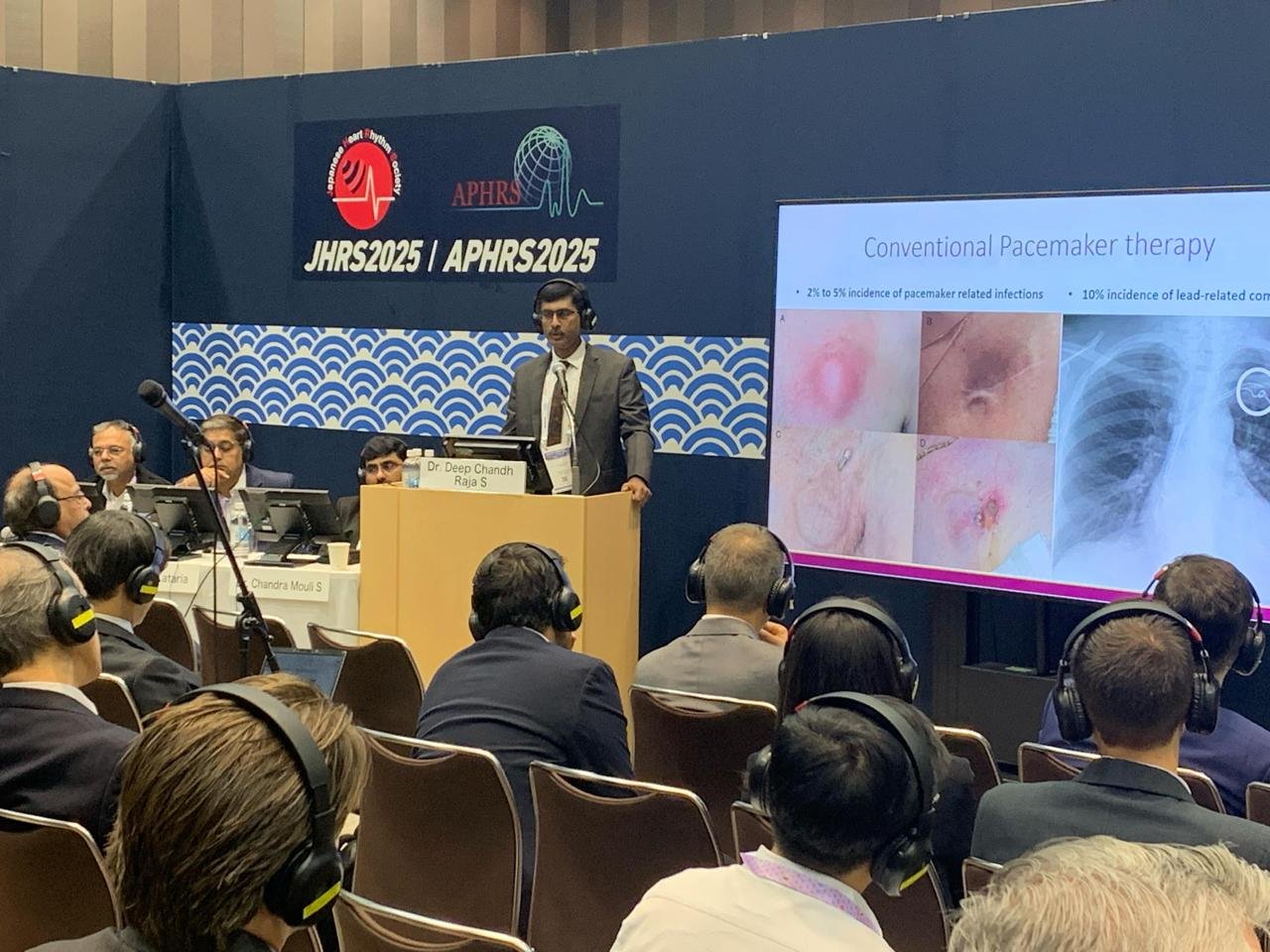
If you’re unsure, consult a heart specialist Dr.Deep Chandh Raja who can guide you based on advanced imaging (like angiography) and risk assessment.