
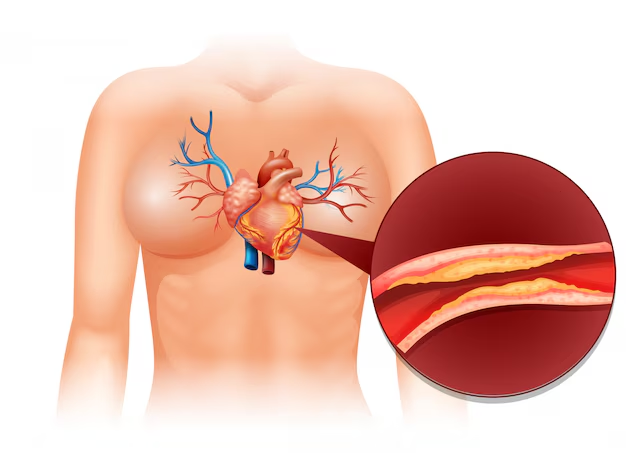
High Cholesterol & Heart Disease: The Silent Threat
Heart disease remains one of the leading causes of death worldwide, and high cholesterol is a major contributor to this silent yet deadly threat. The scary part? You might not even know you have it until it’s too late.
The good news is that high cholesterol is manageable—and even preventable—with the right knowledge and lifestyle changes. In this blog, we’ll break down what cholesterol is, how it affects your heart, and what you can do to keep your levels in check.
What Is Cholesterol?
Cholesterol is a waxy, fat-like substance found in your blood. While your body needs it to build healthy cells, produce hormones, and digest food, too much of it can be dangerous.
There are two main types of cholesterol:
- LDL (Low-Density Lipoprotein) – “Bad” Cholesterol
- Builds up in your arteries, forming plaque that narrows and hardens them (atherosclerosis).
- Increases the risk of heart attacks and strokes.
- HDL (High-Density Lipoprotein) – “Good” Cholesterol
- Helps remove LDL from your bloodstream.
- Protects against heart disease.
When LDL levels are too high and HDL levels are too low, your risk of heart disease rises significantly.
Why High Cholesterol is a Silent Killer
High cholesterol doesn’t cause obvious symptoms. You could feel perfectly fine while plaque silently builds up in your arteries, restricting blood flow to your heart and brain. By the time symptoms like chest pain (angina) or a heart attack occur, the damage may already be severe.
Who Is at Risk?
- Family history of high cholesterol or heart disease
- Unhealthy diet (high in saturated fats, trans fats, and processed foods)
- Lack of exercise (sedentary lifestyle lowers HDL)
- Obesity (excess weight increases LDL)
- Smoking (damages blood vessels and lowers HDL)
- Diabetes (affects cholesterol levels)
- Age & Gender (risk increases after 40; men are at higher risk earlier, while women’s risk rises after menopause)
How to Lower Cholesterol & Protect Your Heart
The great news? You can take control of your cholesterol levels with simple, effective lifestyle changes.
1. Eat a Heart-Healthy Diet
- Choose healthy fats: Avocados, nuts, olive oil, and fatty fish (like salmon) boost HDL.
- Cut back on saturated fats: Reduce red meat, full-fat dairy, and fried foods.
- Avoid trans fats: Found in processed snacks, margarine, and fast food.
- Increase fiber: Oats, beans, fruits, and vegetables help lower LDL.
2. Get Moving
- Aim for 30 minutes of exercise daily (walking, swimming, cycling).
- Strength training twice a week helps improve cholesterol levels.
3. Quit Smoking
- Smoking lowers HDL and damages arteries. Quitting improves HDL within weeks.
4. Maintain a Healthy Weight
- Losing even 5-10% of body weight can significantly improve cholesterol.
5. Limit Alcohol
- Excessive drinking raises triglycerides (another harmful fat in the blood).
6. Medication (When Needed)
- If lifestyle changes aren’t enough, your doctor may prescribe statins or other cholesterol-lowering drugs.
When Should You Get Tested?
Since high cholesterol has no symptoms, regular screenings are crucial. The American Heart Association recommends:
- Adults 20+: Get tested every 4-6 years.
- High-risk individuals (family history, obesity, diabetes): More frequent testing as advised by your doctor.
A simple lipid profile blood test checks your total cholesterol, LDL, HDL, and triglycerides.
Final Thoughts: Don’t Wait Until It’s Too Late
High cholesterol is a silent threat, but it doesn’t have to be a death sentence. By making smart lifestyle choices today, you can protect your heart and live a longer, healthier life.
If you haven’t had your cholesterol checked recently, schedule an appointment with your Dr.Deep Chandh Raja. Your heart will thank you!