
Human Reactions During a Heart Stroke: What You Need to Know
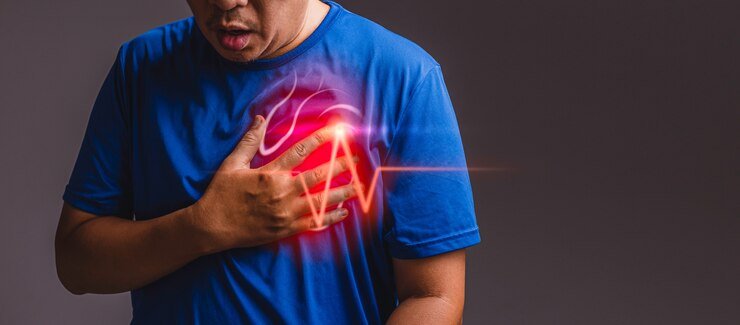
A heart stroke, commonly known as a heart attack (myocardial infarction), is a life-threatening medical emergency. Recognizing the signs and understanding how people react during such an event can save lives.
In this blog, we’ll discuss:
- Common physical and emotional reactions during a heart stroke
- Why quick action is crucial
- What bystanders should do
- How to prevent heart strokes
How Does the Body React During a Heart Stroke?
When a heart stroke occurs, the blood flow to a part of the heart is blocked, usually due to a clot. This leads to oxygen deprivation in the heart muscle, causing a range of reactions:
1. Physical Symptoms
- Chest Pain or Discomfort – A crushing, squeezing, or heavy pressure in the center or left side of the chest (most common symptom).
- Radiating Pain – Pain spreading to the left arm, jaw, neck, or back.
- Shortness of Breath – Difficulty breathing, even without exertion.
- Cold Sweats & Dizziness – Sudden sweating, clammy skin, and lightheadedness.
- Nausea & Vomiting – Some people mistake this for indigestion.
- Fatigue & Weakness – Extreme tiredness, especially in women.
2. Emotional & Mental Reactions
- Denial – Many people downplay their symptoms, thinking it’s just heartburn or stress.
- Fear & Panic – A sense of doom or extreme anxiety is common.
- Confusion – Some may struggle to speak or think clearly.
Note: Women and diabetics may experience atypical symptoms like extreme fatigue, nausea, or back pain without severe chest discomfort.
Why Immediate Action is Critical
Every minute counts during a heart stroke. Delaying treatment can lead to:
- Permanent heart muscle damage
- Heart failure
- Sudden cardiac arrest
What Should You Do?
- Call emergency services (108/911) immediately.
- Chew an aspirin (if not allergic) to help thin the blood.
- Stay calm and rest—avoid any physical exertion.
- If the person collapses, start CPR if trained.
How Bystanders Can Help
If you witness someone having a heart stroke:
- Don’t ignore the symptoms – Even if they deny it, insist on medical help.
- Keep them seated or lying down – Movement can worsen the condition.
- Monitor breathing – If they stop breathing, begin CPR.
- Use an AED if available – Automated External Defibrillators can restart the heart.
Preventing Heart Strokes
A heart-healthy lifestyle reduces risks significantly:
- Eat a balanced diet (low salt, low cholesterol, high fiber).
- Exercise regularly (30 mins/day, 5 days a week).
- Quit smoking & limit alcohol.
- Manage stress (meditation, yoga, deep breathing).
- Control blood pressure, diabetes & cholesterol.
Final Thoughts
A heart stroke is a medical emergency—acting fast saves lives! If you or someone around you experiences symptoms, don’t wait—seek help immediately.
Stay heart-smart, and share this knowledge—it could save a life! 💙