
What is a Pacemaker and How Does It Work?
Introduction
Have you ever wondered how a tiny device can keep a heart beating steadily? A pacemaker is a life-saving medical device designed to regulate abnormal heart rhythms. Whether due to aging, disease, or congenital conditions, some hearts need a little extra help to maintain a healthy beat.
In this blog, we’ll explore:
✔ What a pacemaker is
✔ How it works
✔ Who needs one
✔ The procedure to implant it
✔ Living with a pacemaker
Let’s dive in!
What is a Pacemaker?
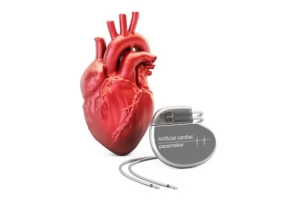
A pacemaker is a small, battery-powered device implanted under the skin (usually near the collarbone) to help control irregular heartbeats. It sends electrical pulses to the heart to maintain a normal rhythm when the heart’s natural pacemaker (the sinus node) isn’t functioning properly.
Types of Pacemakers
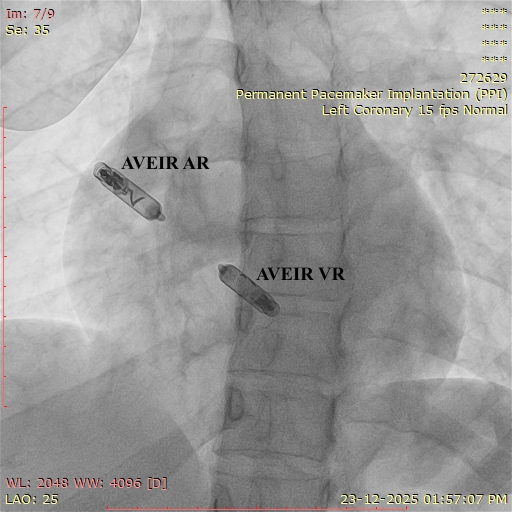
- Single-Chamber Pacemaker – Sends pulses to one chamber (usually the right ventricle).
- Dual-Chamber Pacemaker – Sends pulses to both the right atrium and right ventricle.
- Biventricular Pacemaker (CRT-P) – Used for heart failure, stimulating both ventricles.
How Does a Pacemaker Work?
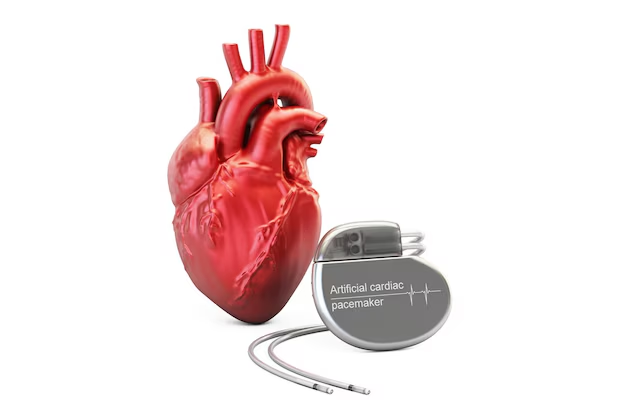
A pacemaker consists of two main parts:
- Generator – Contains the battery and circuitry.
- Leads (Wires) – Deliver electrical signals to the heart.
Step-by-Step Functioning:
- Senses Heart Activity – The pacemaker constantly monitors the heart’s electrical signals.
- Detects Irregularities – If the heartbeat is too slow (bradycardia) or pauses, the device kicks in.
- Sends Electrical Pulses – The generator sends a tiny electrical impulse through the leads to correct the rhythm.
- Adjusts as Needed – Modern pacemakers adapt to physical activity, speeding up during exercise and slowing down at rest.
Think of it as a backup conductor for your heart’s rhythm!
Who Needs a Pacemaker?
A pacemaker may be recommended for conditions like:
- Bradycardia (abnormally slow heartbeat)
- Heart block (electrical signals are delayed or blocked)
- Atrial fibrillation (irregular, fast heartbeats needing regulation)
- Heart failure (in some cases, to coordinate heart contractions)
Symptoms that may indicate the need for a pacemaker include:
- Fatigue
- Dizziness or fainting
- Shortness of breath
- Palpitations
If you experience these, consult a cardiologist like myself for proper evaluation.
Pacemaker Implantation: What to Expect
The procedure is minimally invasive and usually done under local anesthesia. Here’s what happens:
- Small Incision – Made near the shoulder.
- Leads Inserted – Guided through a vein into the heart.
- Device Placed – The generator is positioned under the skin.
- Testing – The pacemaker is programmed and tested.
- Recovery – Most patients go home the same or next day.
The surgery is low-risk, with high success rates.
Living with a Pacemaker
Once implanted, a pacemaker requires minimal maintenance:
✔ Regular check-ups (remote monitoring is often possible)
✔ Avoiding strong magnetic fields (e.g., MRI machines unless MRI-compatible)
✔ Carrying a pacemaker ID card for security checks
Most patients return to normal activities, including exercise, within weeks.
Final Thoughts
Pacemakers are incredible devices that restore and maintain a healthy heart rhythm, improving quality of life. If you or a loved one has been advised to get one, rest assured—it’s a safe and effective solution.