


Cryoablation for Atrial Fibrillation
(AFib): A Safe & Effective Treatment to Restore Normal Heart Rhythm
Atrial Fibrillation (AFib) is one of the most
common heart rhythm disorders, causing symptoms such as palpitations,
breathlessness, fatigue, dizziness, and increased stroke risk. When medications
fail to control AFib, Cryoablation offers a proven, minimally invasive solution
to restore a normal heart rhythm.
What Is Cryoablation for AFib?
Cryoablation is an advanced catheter-based
procedure used to treat atrial fibrillation by freezing abnormal heart tissue
responsible for irregular electrical signals.
Instead of heat, this technique uses extreme
cold to create controlled scars that block faulty electrical pathways.
It is especially effective for paroxysmal
(intermittent) AFib and is increasingly used as a first-line therapy in
suitable patients
How Cryoablation Works
Catheter Insertion
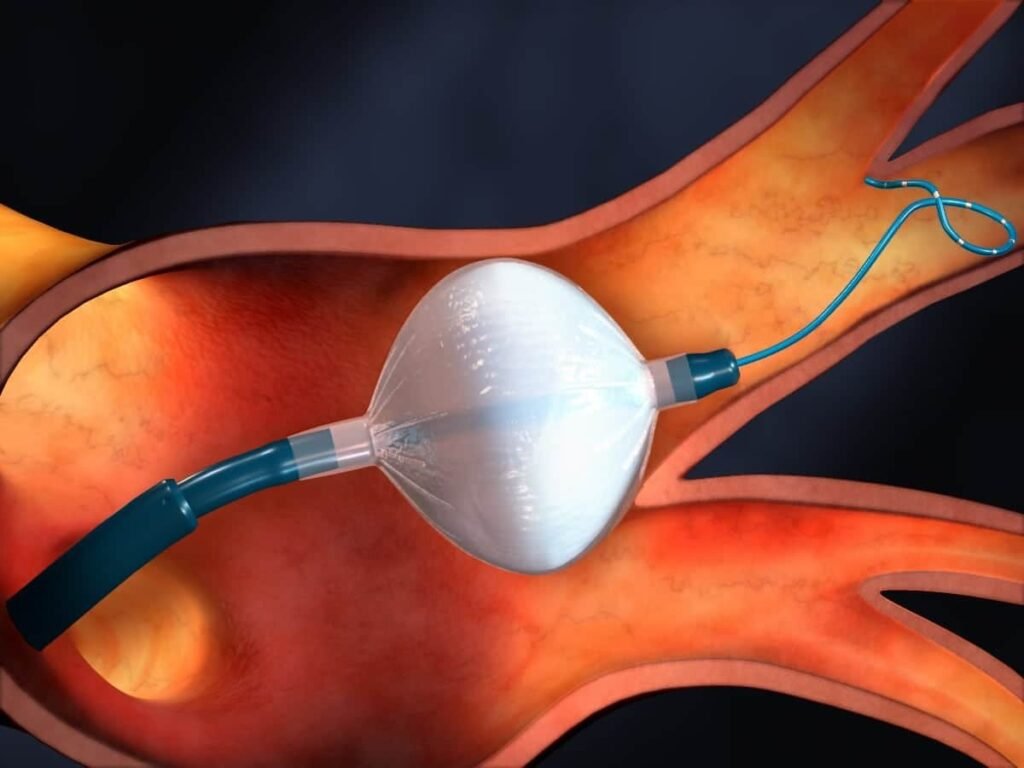
A thin tube (catheter) with a deflated balloon
at its tip is inserted through a vein in the groin and guided safely to the
heart.
Targeting the Pulmonary Veins
Most AFib triggers originate from the
pulmonary veins, where they connect to the left atrium. The balloon catheter is
positioned precisely at these vein openings.
Freezing the Tissue (Cryoablation)
The balloon is inflated and cooled to sub-zero
temperatures, freezing the surrounding heart tissue.
Creating a Protective Scar
This freezing creates a circular scar that
blocks abnormal electrical signals, preventing AFib from recurring and helping
restore normal sinus rhythm.
Benefits of Cryoablation for AFib
High Success Rates
Studies show 70–80% or higher success in
maintaining normal rhythm after a single procedure, especially in paroxysmal
AFib.
More Effective Than Medications
Cryoablation is proven to be superior to
antiarrhythmic drugs in preventing AFib recurrence.
Simpler & Faster Procedure
The cryoballoon can isolate a pulmonary vein
in one application, making the procedure shorter and more consistent compared
to heat-based radiofrequency ablation.
Minimally Invasive
No open surgery. Small puncture in the groin
with minimal blood loss and faster recovery.
Reduced AFib Symptoms & Stroke Risk
Improves quality of life and reduces
AFib-related complications when combined with appropriate medical care.
Who Is an Ideal Candidate for Cryoablation?
Cryoablation may be recommended if you have:
● Paroxysmal or persistent AFib
● AFib not controlled by medications
● Recurrent palpitations or
breathlessness
● AFib affecting daily activities or
heart function
Your cardiologist or cardiac
electrophysiologist will decide suitability after detailed evaluation.
What to Expect After Cryoablation
Hospital Stay:
Usually 1–2 days
Pain: Mild chest
discomfort or skipped beats may occur temporarily
Healing Phase:
Heart rhythm stabilizes over weeks to months
Recovery: Most
patients return to normal activities within a few days
Regular follow-up is important to monitor
heart rhythm and medication needs
Expert AFib
Treatment in Chennai
If you or your loved one is suffering
from atrial fibrillation, advanced treatments like Cryoablation
can offer long-term relief and restore heart rhythm safely.
Dr. Deep Chandh Raja S
Senior Cardiologist & Cardiac Electrophysiologist – Chennai
Specialist in
AFib Ablation, EPS, RFA, Cryoablation & Leadless Pacemakers