
World Heart Day 2026: Heart Health Awareness Programme in Chennai By Dr Deep Chandh Raja
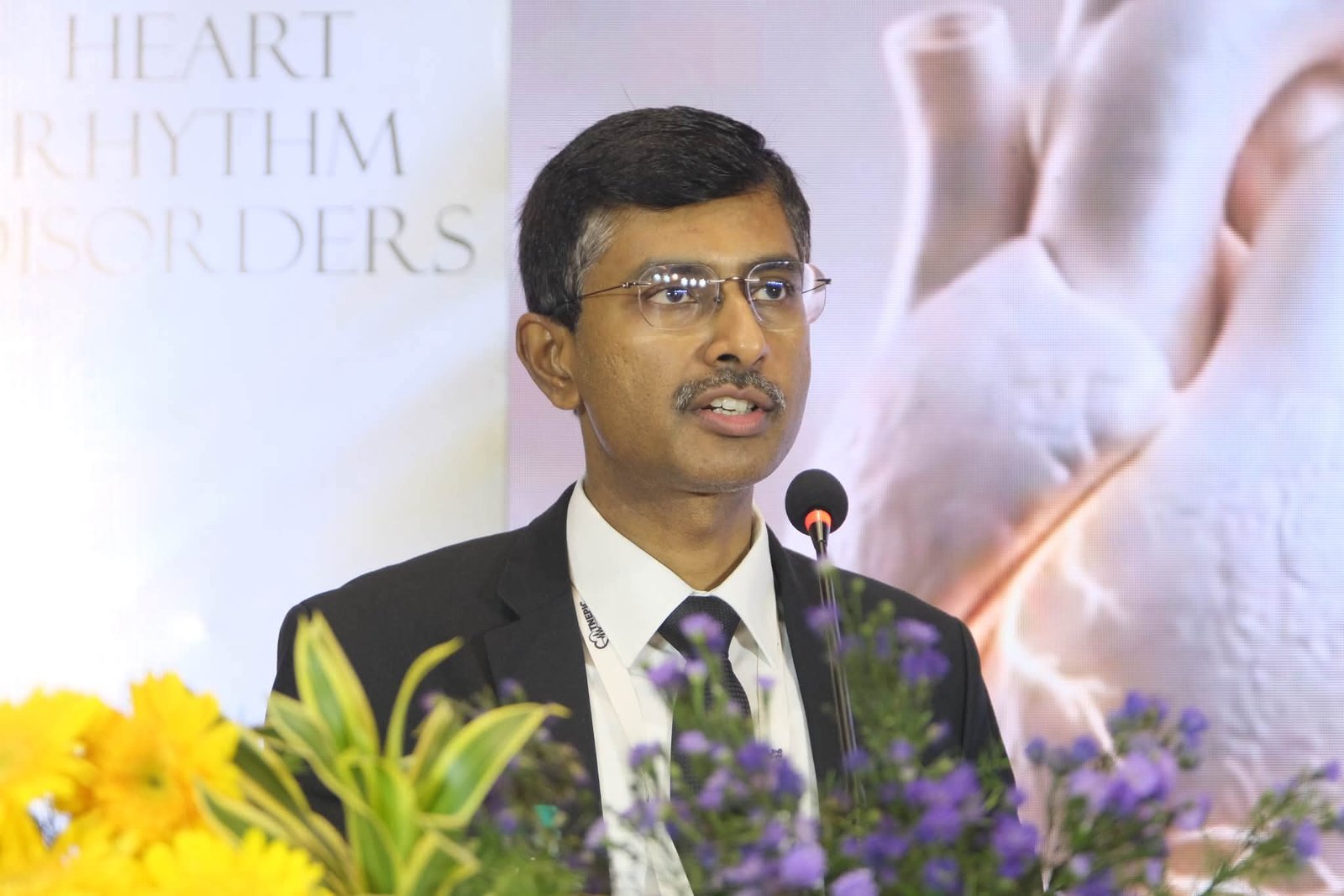
World Heart Day 2026 is observed on 29 September, providing an important opportunity to raise awareness about cardiovascular diseases, heart attack symptoms, heart health, and the importance of timely medical care.
As part of the World Heart Day 2026 awareness initiatives, Chennai Heart Rhythm Trust, in association with Rotary Club of Chennai Mogappair, organised a Heart Health Awareness Programme for Chennai Corporation sanitary workers on 27 September 2026 at Nolambur, Chennai.
The programme focused on creating greater awareness about heart disease, recognising warning signs of a heart attack, understanding the importance of immediate first aid and medical attention, and adopting healthier lifestyle habits.
Heart Health Awareness for Chennai Corporation Sanitary Workers
Sanitary workers play an essential role in maintaining public health and cleanliness. However, like everyone else, they also need to prioritise their own health and wellbeing.
The World Heart Day awareness programme provided an opportunity to discuss practical aspects of cardiovascular health and help participants understand how everyday choices can influence heart health.
The session was led by Dr. S. Deep Chandh Raja, Senior Consultant Cardiologist & Cardiac Electrophysiologist and Founder of Chennai Heart Rhythm Trust.
The programme covered several important topics related to heart disease prevention and cardiovascular health, with particular emphasis on recognising symptoms early and seeking medical attention without delay.
Understanding Heart Attack Symptoms and Warning Signs
A heart attack can become life-threatening when blood flow to the heart muscle is blocked. Recognising the warning signs early can help ensure that medical treatment is sought as quickly as possible.
Common heart attack symptoms may include:
- Chest pain, pressure or discomfort
- Pain or discomfort spreading to the arm, shoulder, back, neck or jaw
- Shortness of breath
- Excessive sweating
- Nausea or vomiting
- Dizziness or light-headedness
- Unusual weakness or fatigue
Symptoms can vary between individuals, and not every heart attack presents with severe chest pain.
Knowing the warning signs and acting quickly can make an important difference.
Heart Attack First Aid: Why Every Minute Matters
During a suspected heart attack, delaying medical attention can increase the risk of serious complications.
The awareness programme highlighted the importance of recognising symptoms promptly and obtaining emergency medical assistance as soon as possible.
Rather than waiting for symptoms to disappear, individuals experiencing possible heart attack symptoms should seek immediate medical evaluation.
Understanding basic heart attack first aid and knowing when to seek emergency medical care can help communities respond more effectively during a cardiac emergency.
Preventing Heart Disease Through Everyday Habits
Many cardiovascular risk factors can be identified and managed through regular health monitoring and lifestyle changes.
Important steps for heart disease prevention include:
1. Monitor Blood Pressure
High blood pressure can increase the risk of heart disease and other cardiovascular complications. Regular blood pressure checks can help identify hypertension early.
2. Keep Blood Sugar Under Control
Diabetes is an important cardiovascular risk factor. Maintaining healthy blood sugar levels through appropriate diet, physical activity, medication when prescribed and regular medical follow-up can support overall heart health.
3. Monitor Cholesterol
High cholesterol can contribute to the buildup of plaque in blood vessels. Regular cholesterol testing and appropriate management can help reduce cardiovascular risk.
4. Stay Physically Active
Regular physical activity can support cardiovascular fitness, weight management and overall wellbeing. Activity levels should be appropriate for an individual’s health and physical condition.
5. Follow a Heart-Healthy Diet
A balanced diet containing vegetables, fruits, whole grains, appropriate protein sources and healthy fats can contribute to better cardiovascular health. Limiting excessive salt, added sugars, unhealthy fats and highly processed foods can also be beneficial.
6. Avoid Tobacco
Smoking and tobacco use are major risk factors for cardiovascular disease. Avoiding tobacco can significantly contribute to better heart health.
7. Prioritise Regular Health Check-Ups
Heart disease can develop silently, particularly when risk factors such as high blood pressure, diabetes or high cholesterol are not identified.
Regular health check-ups can help detect potential risk factors early and provide an opportunity to take preventive action.
Why Regular Heart Health Check-Ups Matter
Prevention begins with awareness.
A person may feel healthy while having elevated blood pressure, high cholesterol or high blood sugar. Regular health assessments can help identify these conditions before they contribute to more serious complications.
Depending on individual age, health history and risk factors, healthcare professionals may recommend appropriate tests and evaluations.
A personalised approach to cardiovascular health is particularly important for people with risk factors such as:
- High blood pressure
- Diabetes
- High cholesterol
- Obesity or overweight
- Smoking or tobacco use
- Family history of heart disease
- Previous cardiovascular problems
- Physical inactivity
Building a Culture of Heart Health Awareness
World Heart Day is not only an annual observance. It is an opportunity to encourage conversations about cardiovascular health throughout the year.
Community-based awareness programmes can play an important role in helping people understand heart disease prevention, recognise emergency symptoms and make informed decisions about their health.
The Heart Health Awareness Programme conducted at Nolambur brought these important messages directly to Chennai Corporation sanitary workers, highlighting the importance of making heart health a regular part of everyday life.
Make heart health a priority every day.